2013 GMC Sierra 1500 Wheel Fitment Guide
Known OEM Fitment For 2013 GMC Sierra 1500
The following specifications are the known fitment data available for this page. GMC Sierra 1500 specifications can vary by trim, drivetrain, brake package, and original wheel option. Confirm the specifications for your specific truck with the owner’s manual, the original wheel markings, a GMC dealer, or the vehicle identification number before ordering.
| Specification |
Known value |
| Bolt pattern |
6x139.7, meaning 6 studs on a 139.7 mm pitch circle diameter |
| Center bore |
78.1 mm |
| Thread size |
M14 x 1.5 |
| Rim diameter |
20 inches |
| Rim width |
8.5 inches |
| Wheel offset |
ET31, or 31 mm |
| Backspacing |
5.47 inches |
| Tire section width |
245 mm |
| Tire aspect ratio |
70 percent |
| Tire rim diameter |
17 inches |
There is an apparent diameter mismatch in the supplied data: the wheel dimensions list a 20-inch rim, while the tire rim diameter is listed as 17 inches. A 17-inch tire diameter designation does not mount on a 20-inch wheel. Treat these values as separate data points that require confirmation rather than as a confirmed wheel-and-tire package. Check the sidewall of the tire currently installed and the markings stamped or cast on the wheel.
How To Use The Wheel Interchange Calculator
Use the calculator to compare Wheels from a donor vehicle with the wheels being Installed on your 2013 GMC Sierra 1500. Enter or select the donor vehicle, then review bolt pattern, center bore, wheel diameter, width, offset, and tire information where available.
The calculator also lets you enter a custom wheel size by rim diameter, rim width, and offset. You can enter a custom tire section width and aspect ratio as well. When you change rim diameter, the calculator updates the tire diameter shown in the comparison. This is useful for estimating how a wheel change affects overall tire size, but it does not replace physical clearance checks.
Use the calculator as a screening tool. Before purchase, verify the exact donor wheel part number, load rating, brake clearance, center bore, lug-seat design, and tire requirements against OEM or manufacturer documentation.
Fitment Checklist Before You Buy
Start with the 6x139.7 bolt pattern and confirm that the donor wheel has the correct six-lug arrangement. A wheel that appears to fit the studs can still be unsafe if its center bore, lug-seat shape, load rating, or brake clearance is wrong.
- Confirm the vehicle-specific bolt pattern, center bore, thread size, and wheel dimensions.
- Compare the donor wheel’s offset and backspacing with the calculator and the original wheel.
- Check inner clearance to the brake caliper, suspension, steering components, and control arms.
- Check outer clearance to the fender, liner, and mud flap at full steering lock and full suspension compression.
- Verify that the wheel’s load rating meets or exceeds the truck manufacturer’s requirement.
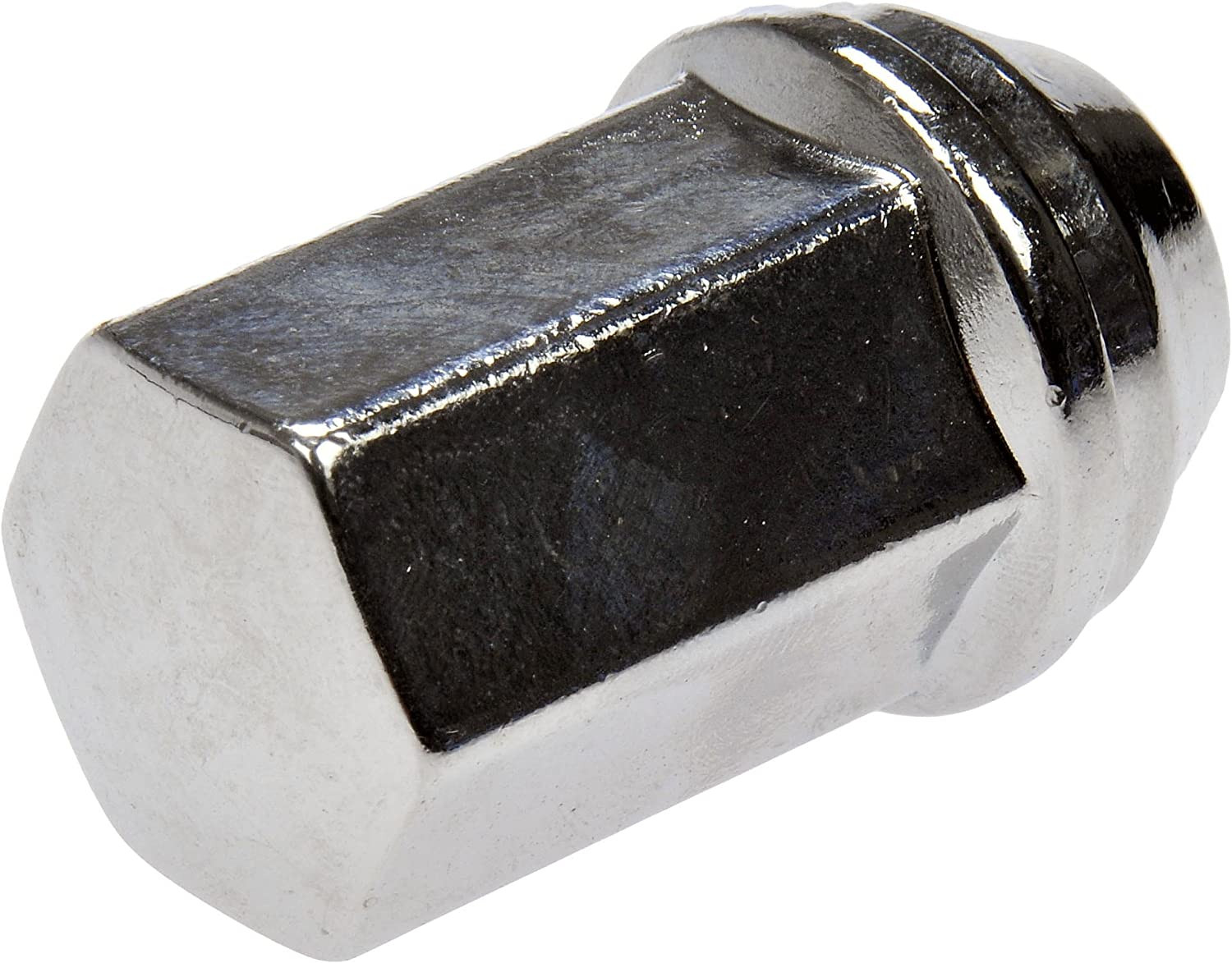
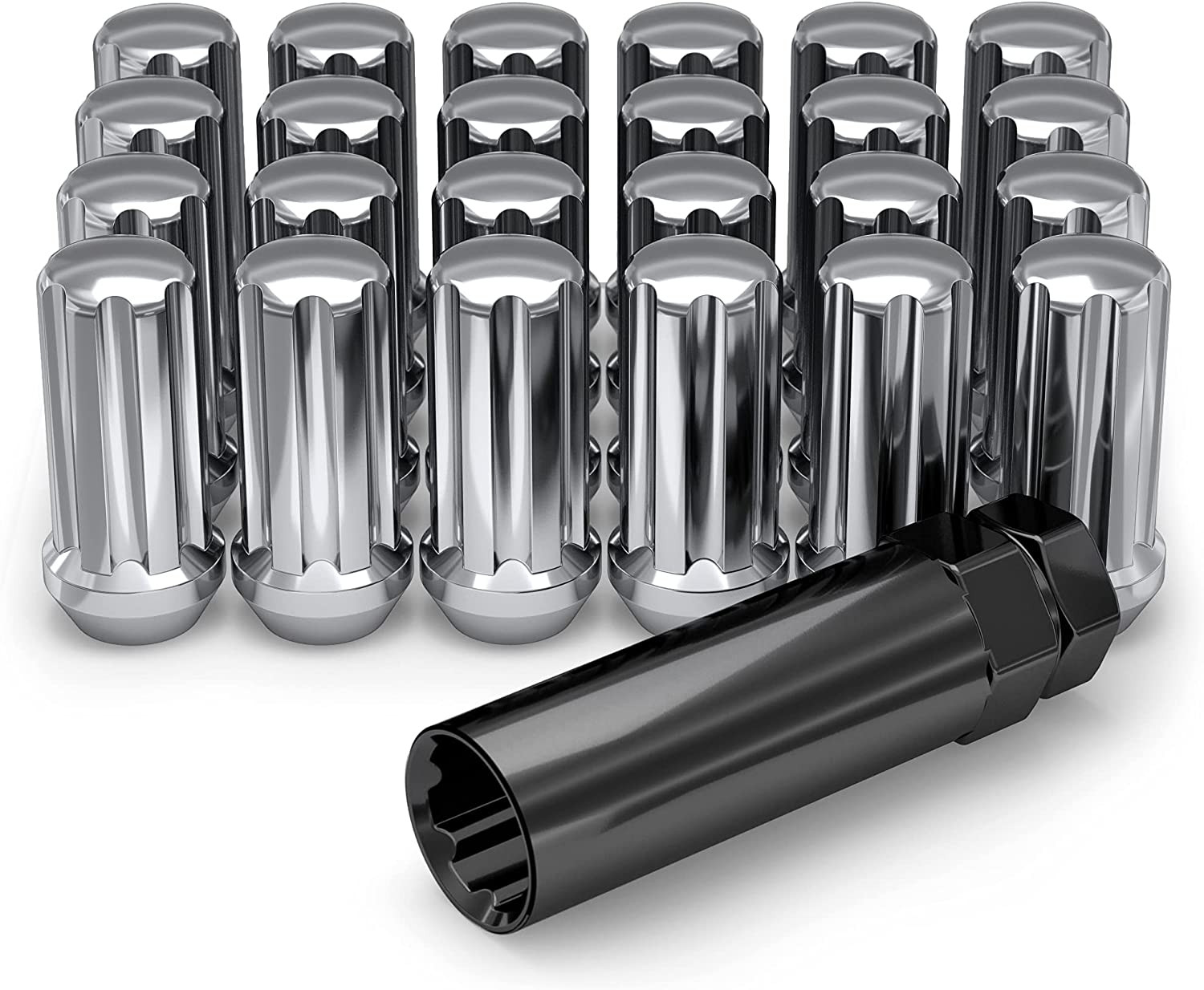
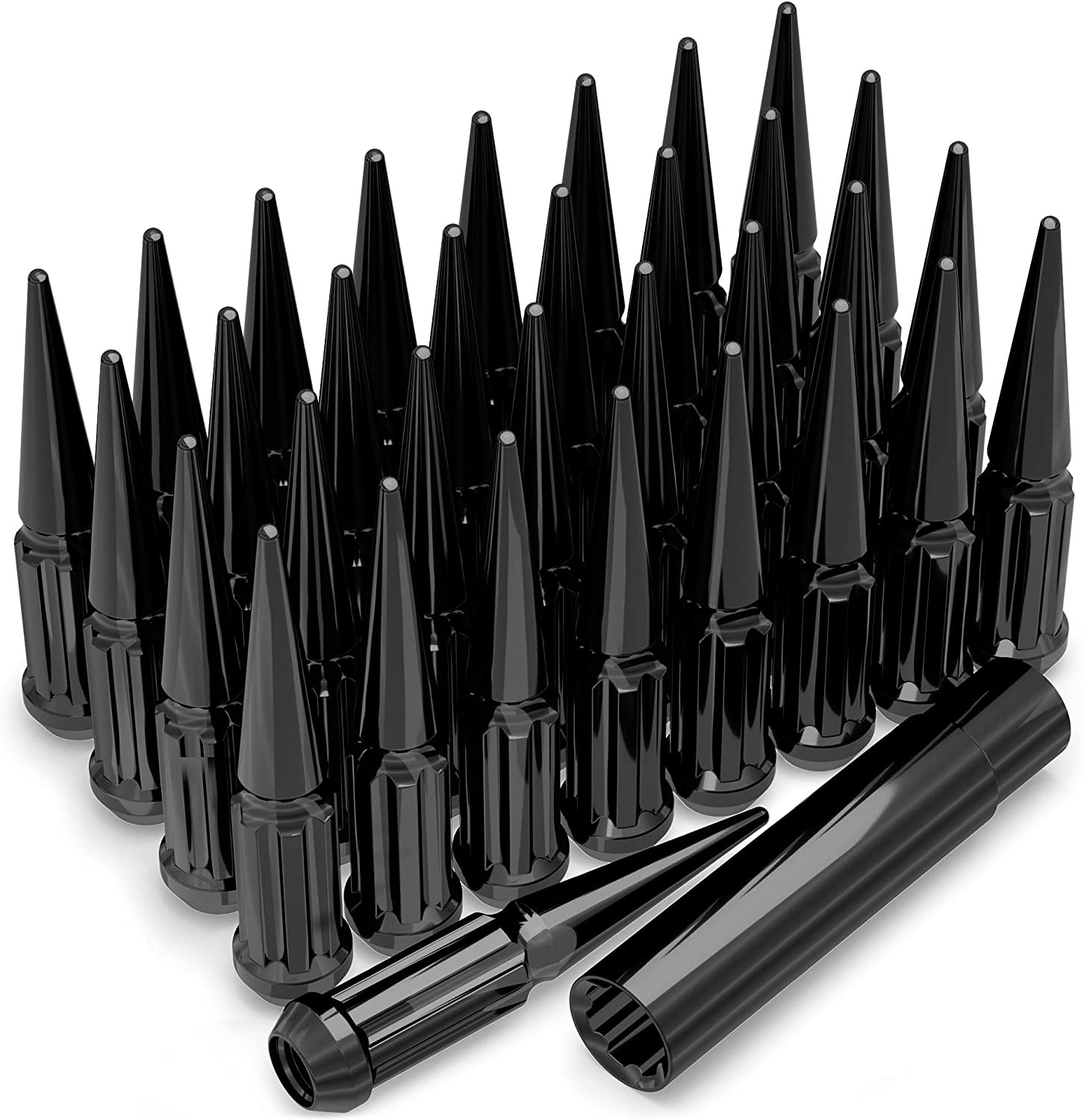
- Match the lug nut seat type and thread specification. Do not assume the original lug nuts fit an aftermarket wheel.
- Confirm the tire size, load index, speed rating, valve stem requirements, and tire pressure monitoring system compatibility.
- Have the final combination test-fitted before mounting and balancing all four tires.
Plus Sizing And Common Upgrades
Plus sizing generally means using a larger wheel diameter with a lower-profile tire to maintain a similar overall tire diameter. The goal is to preserve speedometer behavior, gearing, and general clearance while changing wheel appearance or handling characteristics. The calculator can help compare custom rim diameter, width, offset, section width, and aspect ratio combinations.
No particular upgrade size should be treated as universally compatible with every 2013 GMC Sierra 1500. Trim, suspension, brake, and drivetrain differences can affect clearance. A wider wheel or a more aggressive offset may increase contact with suspension components or the fender, while a smaller offset can move the wheel outward. A larger tire can also affect steering clearance, suspension travel, gearing, and speedometer readings.
Because the supplied data includes both a 20-inch rim value and a 17-inch tire rim diameter value, confirm the intended original or replacement package before using it as the baseline for a plus-size calculation.
Installation Tips
Inspect every wheel for cracks, bends, corrosion, damaged mounting faces, and missing hub or valve components. Clean the hub face and wheel mounting surface so the wheel seats flat. Do not use spacers, adapters, or oversized center-bore rings unless their specifications and application are verified by a qualified wheel professional.
Install the correct M14 x 1.5 lug nuts with the correct seat design. Start all lug nuts by hand, lower the vehicle until the tire is lightly loaded, and tighten in a star pattern. Use the vehicle manufacturer’s specified torque value from the owner’s manual or service information. Recheck torque after the first short drive and again according to the wheel manufacturer’s instructions.
After installation, check for rubbing with the steering at both full-lock positions and inspect clearance with the suspension loaded. Confirm that the tire does not contact the body or suspension during normal travel. Recalibrate or relearn the tire pressure monitoring system when required by the vehicle or tire manufacturer.
Tools And Helpful Supplies
A basic installation setup should include a properly rated floor jack, jack stands, wheel chocks, a torque wrench, and the correct socket for the lug nuts. Use the manufacturer’s lift points and never work under a vehicle supported only by a jack.
- Automotive torque wrench for final lug nut tightening.
- Wheel hub cleaning brush for removing rust and debris from the mounting surface.
- Jack stands and wheel chocks rated for the truck.
- A tire pressure gauge and an air source suitable for the tire manufacturer’s pressure requirements.
- A tread-depth gauge and a flashlight for checking tire condition and clearance.
Tool selection does not confirm fitment. Use the calculator and OEM or wheel-manufacturer documentation to verify the application before installation.
FAQs
What is the bolt pattern for the 2013 GMC Sierra 1500?
The known bolt pattern provided for this page is 6x139.7. Confirm the exact application for your truck before ordering, especially if comparing wheels from another trim or model year.
What center bore is listed for this truck?
The known center bore is 78.1 mm. A smaller center bore generally will not fit over the hub. A larger bore may require correctly specified hub-centric rings, but rings do not correct an incorrect bolt pattern or unsafe wheel design.
What lug thread size is listed?
The known thread size is M14 x 1.5. The lug nut seat must also match the wheel. Thread size alone does not confirm lug nut compatibility.
Can I use any 6x139.7 wheel?
No. The bolt pattern is only one part of fitment. You must also verify center bore, wheel width, diameter, offset, backspacing, load rating, brake clearance, lug-seat design, and tire compatibility.
Why does the fitment data show both a 20-inch rim and a 17-inch tire rim diameter?
Those values are inconsistent as a single wheel-and-tire package because a tire intended for a 17-inch rim cannot mount on a 20-inch wheel. Confirm the actual tire sidewall marking and wheel size marking, then use the verified values in the calculator.
Does changing wheel offset change clearance?
Yes. Changing offset changes how far the wheel sits inward or outward relative to the hub. It can affect suspension, brake, steering, and fender clearance. Compare offset and backspacing in the calculator, then perform a physical clearance check.
Will the calculator guarantee that a donor wheel fits?
No. The calculator provides a dimensional comparison and custom-size estimates. It cannot confirm every brake shape, lug-seat detail, wheel load rating, tire clearance condition, or vehicle-specific variation. Confirm the result with OEM or wheel-manufacturer sources and a test fit.