2019 Honda Fit Wheel Fitment Guide
Known OEM Fitment For 2019 Honda Fit
The specifications below are the known OEM fitment values provided for the 2019 Honda Fit. Trim, market, and equipment differences can affect wheel and tire compatibility, so confirm the information against the vehicle certification label, owner’s manual, original wheel markings, and a Honda parts source before purchasing.
| Specification |
Known value |
| Bolt pattern |
4x100, meaning 4 studs on a 100 mm pitch circle diameter |
| Center bore |
56.1 mm |
| Thread size |
M12 x 1.5 |
| Rim diameter |
15 inches |
| Rim width |
6.0 inches |
| Wheel offset |
ET50, or 50 mm positive offset |
| Backspacing |
4.97 inches |
| Known tire size |
185/60R15 |
Matching the bolt pattern alone does not establish safe fitment. The wheel must also clear the brake assembly, fit the hub correctly, provide suitable lug hardware, and maintain adequate clearance from suspension components and bodywork. The exact original tire pressure, load index, speed rating, lug seat type, and TPMS requirements are not provided here. Confirm those items using the tire sidewall, door-jamb label, owner’s manual, and OEM or reputable wheel documentation.
How To Use The Wheel Interchange Calculator
Use the calculator to compare a potential donor wheel and tire setup with your 2019 Honda Fit. Enter the donor vehicle or wheel information under “Wheels from donor vehicle,” then enter the Fit’s known specifications under “Installed on your vehicle.” Compare rim diameter, rim width, offset, backspacing, tire width, sidewall height, and overall tire diameter.
- Start with the known Fit reference values: 15-inch diameter, 6.0-inch width, ET50 offset, and 185/60R15 tires.
- Use “Custom wheel size” to test a wheel when a donor vehicle is not listed or when the wheel’s stamped specifications are known.
- Use “Custom tire size” to compare a different section width or aspect ratio.
- When you change rim diameter, review the updated tire diameter in the comparison. A larger wheel normally requires a lower-profile tire to keep the overall diameter near the original.
- Review the inner and outer position changes caused by width and offset. The calculator is a measurement aid, not a substitute for a physical clearance inspection.
Calculator results should be checked against the wheel manufacturer’s load rating and application data. If a value is missing or differs between trims, do not assume it is interchangeable. Confirm it from the wheel stamp, tire markings, Honda documentation, and a professional fitment source.
Fitment Checklist Before You Buy
- Verify the 4x100 bolt pattern.
- Check that the wheel’s center bore is 56.1 mm or larger when appropriate hub-centric rings are used. A smaller bore will not fit over the hub.
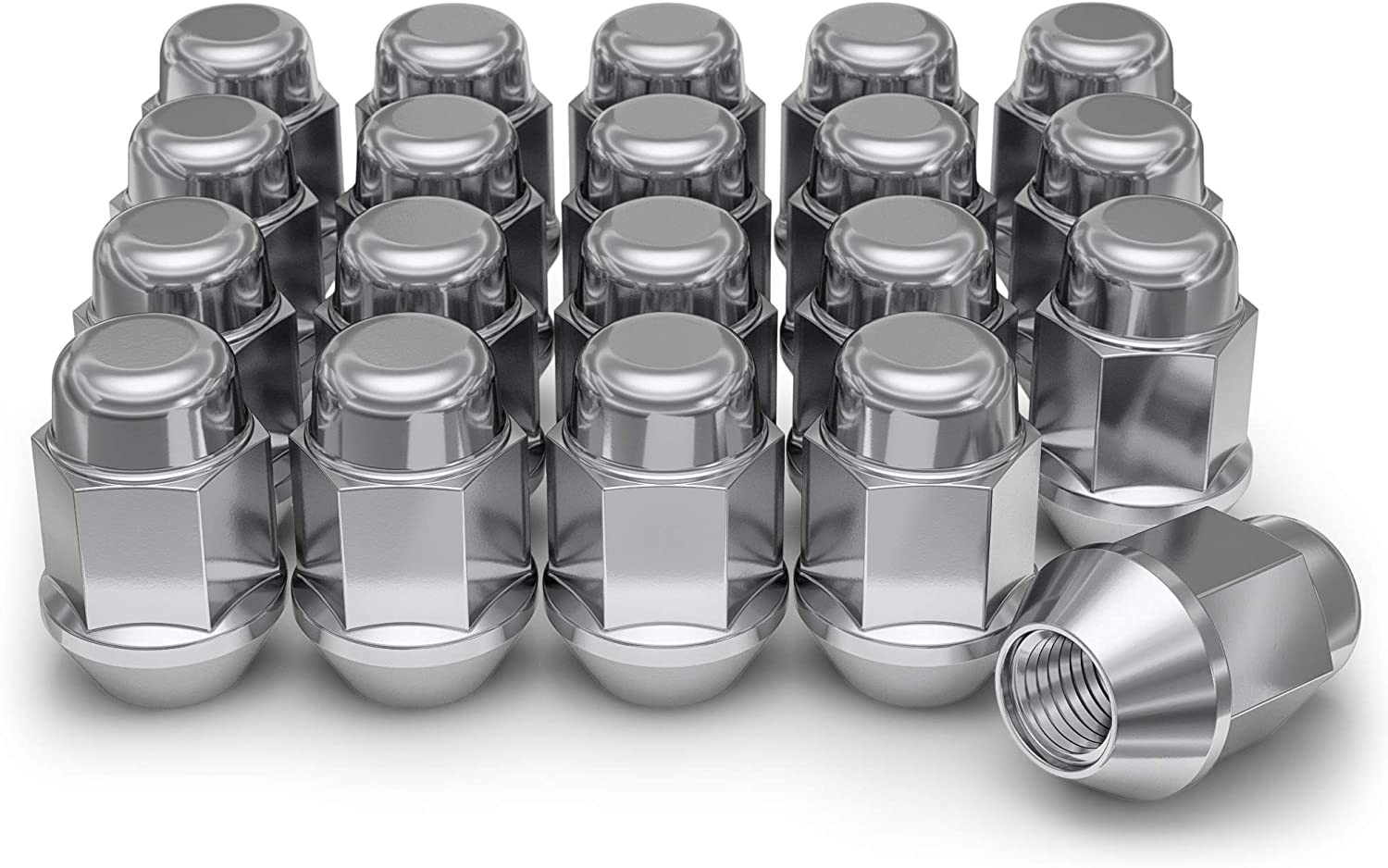
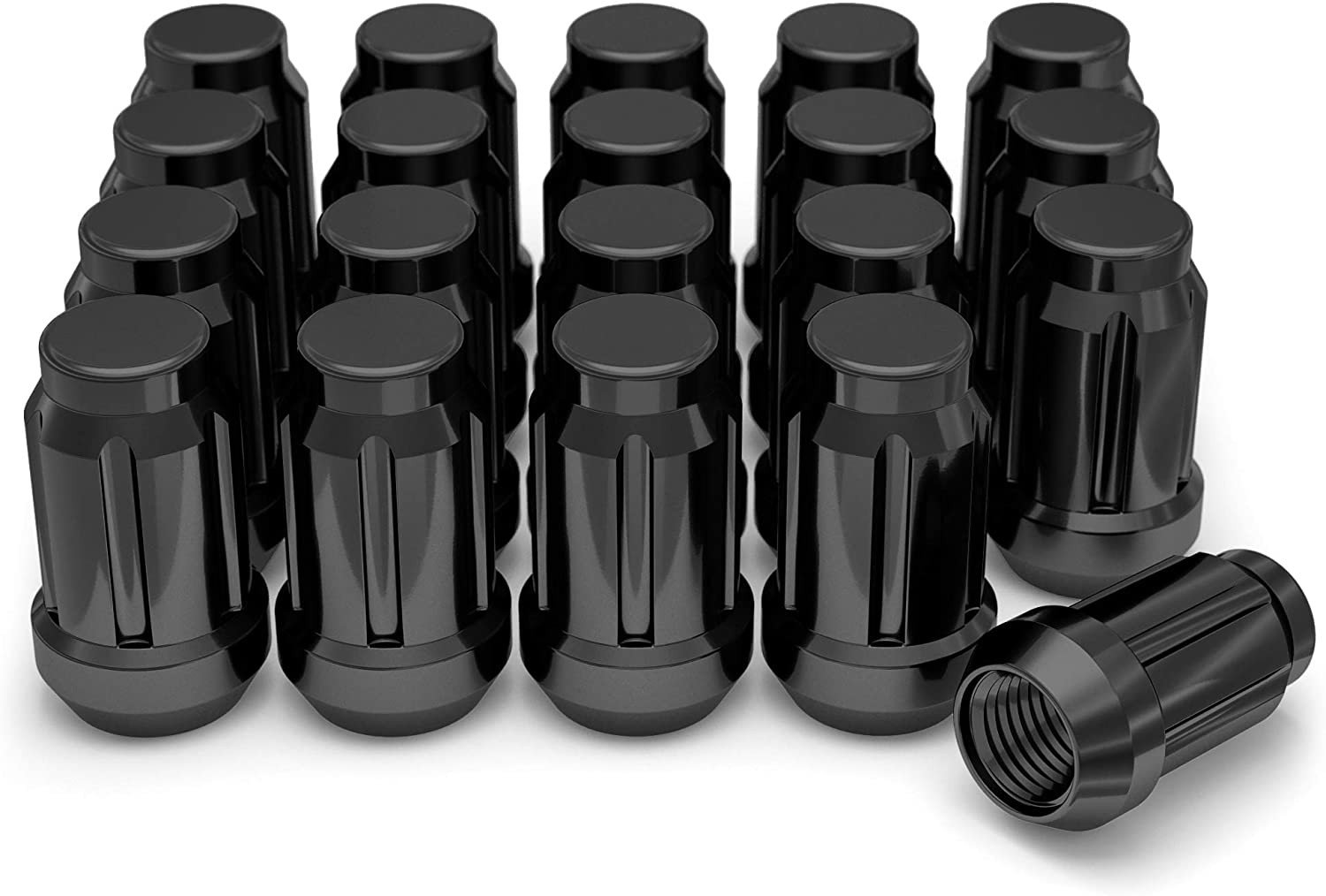
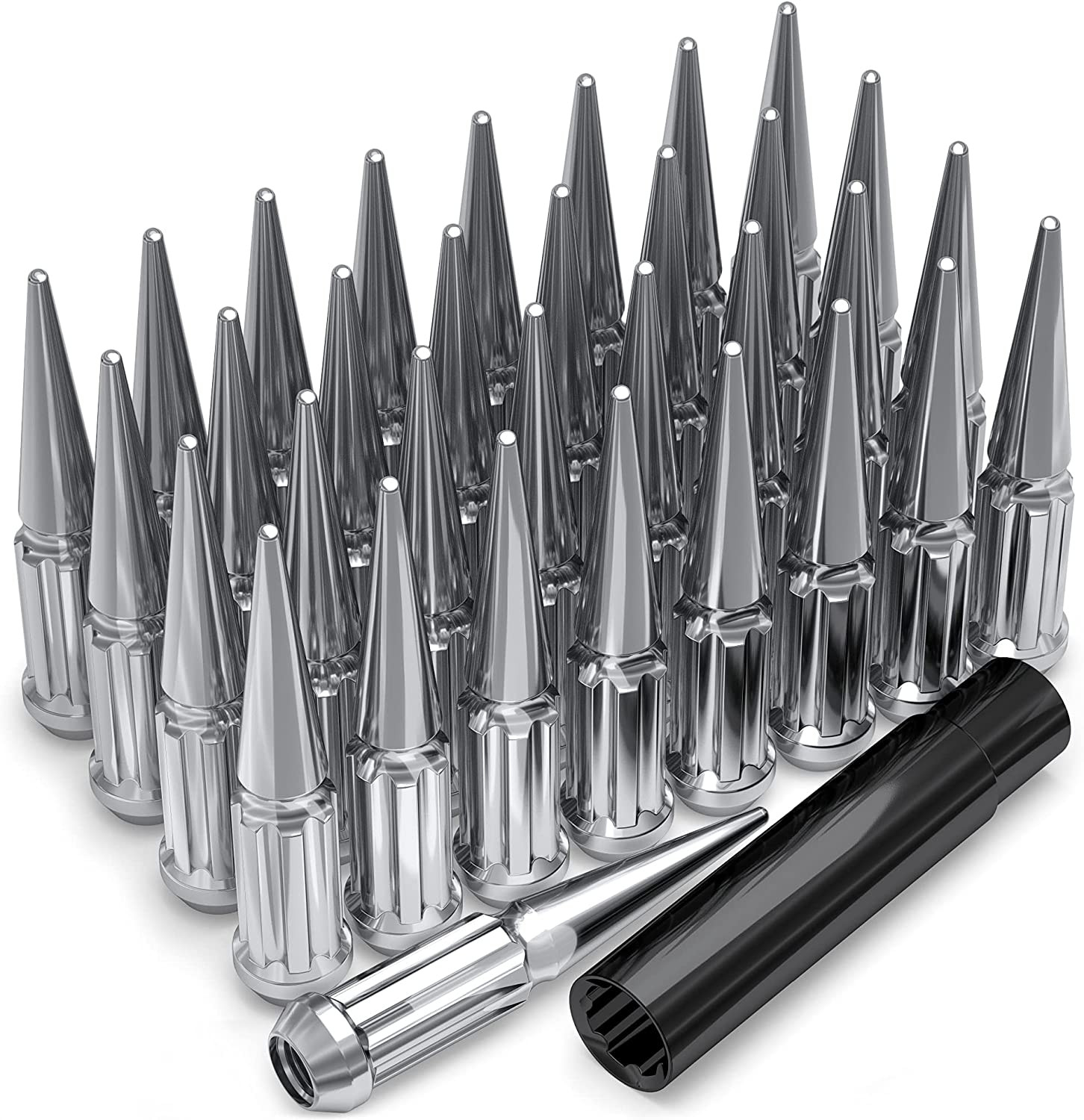
- Confirm the wheel’s lug-hole design and the correct M12 x 1.5 lug hardware. Do not mix conical, ball-seat, or other lug designs.
- Compare wheel diameter, width, and offset with the calculator and the wheel manufacturer’s specifications.
- Check brake caliper and rotor clearance with a physical test fit when possible. Spoke shape can affect clearance even when diameter and offset appear suitable.
- Check inner clearance to the strut, spring, steering and suspension parts, and outer clearance to the fender and liner.
- Confirm the replacement tire’s load index and speed rating meet or exceed the vehicle requirement.
- Verify that the tire size does not create excessive overall diameter change, speedometer error, or interference through the full steering and suspension travel.
- Confirm TPMS sensor compatibility and whether the sensors require programming or relearning.
- Inspect used wheels for bends, cracks, corrosion around the bead seat, damaged lug holes, and missing center caps or hardware.
Plus Sizing And Common Upgrades
Plus sizing means increasing wheel diameter while reducing tire sidewall height so the tire’s overall diameter remains reasonably close to the original. This can change steering response, ride comfort, wheel damage risk, noise, and tire cost. The correct upgrade cannot be selected from wheel diameter alone.
Use the calculator to compare any proposed custom wheel and tire size with the known 185/60R15 reference. Pay particular attention to total tire diameter, tire section width, wheel offset, backspacing, and the amount of clearance available on both sides of the wheel. A wider wheel or a lower offset can move the wheel outward, while a higher positive offset can move it inward. Neither direction is automatically safe.
The calculator does not establish the maximum safe size for every trim or suspension setup. Do not rely on a tire size that exceeds the wheel manufacturer’s approved rim-width range, and do not reduce load or speed capability below the vehicle or tire manufacturer’s requirements.
Installation Tips
- Install wheels on clean, flat hub and wheel-mounting surfaces. Remove rust, dirt, and paint buildup that could prevent the wheel from sitting flush.
- Install the correct M12 x 1.5 lug hardware for the wheel’s seat design. Never force an incompatible lug nut onto the studs.
- Hand-start every lug nut to prevent cross-threading.
- Snug the lugs in a crisscross sequence, lower the vehicle until the tire is just touching the ground, then torque the lugs to the Honda-specified value using a calibrated torque wrench. The exact torque value is not provided here, so verify it in the owner’s manual or an OEM service source.
- After installation, rotate the steering from lock to lock and check clearance. If the vehicle can be safely lifted, inspect clearance through suspension movement without placing any part of your body under an unsupported vehicle.
- Set tire pressure according to the door-jamb label, not the maximum pressure molded into the tire sidewall.
- Reset or relearn the TPMS system according to the vehicle instructions, if required.
- Recheck lug torque after the first drive and again after the interval specified by the wheel or vehicle manufacturer.
Tools And Helpful Supplies
Use a properly rated jack and jack stands on a firm, level surface. A torque wrench is essential for final lug tightening, and a tire-pressure gauge helps confirm the pressure after installation.
- Automotive torque wrench for final lug tightening
- Automotive jack stands for safe support during inspection and installation
- Correct M12 x 1.5 lug nuts matched to the wheel seat
- Wire brush or suitable hub-cleaning tool
- Tire-pressure gauge
- Hub-centric rings only when required by the wheel design and correctly sized for the hub and wheel bore
FAQs
What is the bolt pattern for the 2019 Honda Fit?
The known bolt pattern is 4x100. The wheel must also meet the required center bore, offset, width, brake-clearance, and lug-hardware requirements.
What is the center bore for the 2019 Honda Fit?
The known center bore is 56.1 mm. A wheel with a smaller bore will not fit over the hub. A larger bore may require correctly sized hub-centric rings, depending on the wheel application and manufacturer guidance.
What is the known original wheel and tire size?
The known reference setup is a 15 x 6.0-inch wheel with ET50 offset and a 185/60R15 tire. Verify the exact equipment on your vehicle because the supplied information may not cover every trim or market variation.
Can I install any 4x100 wheel on a 2019 Honda Fit?
No. A matching bolt pattern is only one part of fitment. Check center bore, lug-seat compatibility, wheel width, offset, backspacing, brake clearance, load rating, and tire size before purchase.
What thread size do the wheel studs use?
The known thread size is M12 x 1.5. The lug nut seat must also match the replacement wheel. Confirm the required lug style from the wheel manufacturer rather than assuming the original hardware is suitable.
Can I use a larger wheel diameter?
A larger diameter may be possible with a suitable lower-profile tire, but it is not automatically safe or compatible. Enter the custom wheel and tire dimensions in the calculator, compare overall diameter and clearance, and confirm brake clearance, tire load rating, and approved rim width before buying.
Does changing wheel offset affect clearance?
Yes. Offset changes where the wheel sits relative to the hub. It can reduce inner clearance or move the wheel closer to the fender. Use the calculator to see the position change, then perform a physical clearance check at full steering lock and through the suspension’s usable travel.
Do I need hub-centric rings?
Only if the replacement wheel has a larger center bore and the wheel manufacturer recommends them for the application. Rings must match the 56.1 mm vehicle hub and the wheel’s actual bore. They cannot correct a wheel with a bore that is too small.
Where can I confirm the final torque and tire pressure?
Use the vehicle’s door-jamb label and owner’s manual for tire pressure, and use the owner’s manual or a Honda OEM service source for lug torque. Do not substitute a generic value when the vehicle-specific specification is available.