2004 Ford Expedition Wheel Fitment Guide
Known OEM Fitment For 2004 Ford Expedition
The following specifications are the known reference values for this page. Wheel equipment can vary by trim, package, market, or replacement history, so confirm the vehicle-specific information in the owner’s manual, the factory service information, or the markings on the original wheel before ordering.
| Specification |
Known value |
| Bolt pattern |
6x135 |
| Center bore |
87.1 mm |
| Thread size |
M14 x 2.00 |
| Rim diameter |
17 inches |
| Rim width |
7.5 inches |
| Wheel offset |
ET44, or 44 mm |
| Backspacing |
5.48 inches |
| Known tire size data |
265/70R17 |
A 6x135 wheel must have six mounting holes on a 135 mm pitch circle. The wheel’s center bore should be at least 87.1 mm to clear the hub. A smaller bore will not seat over the hub, while a larger bore may require correctly sized hub-centric rings if the wheel manufacturer specifies them. Confirm wheel load capacity and brake clearance separately because bolt pattern and center bore alone do not prove safe fitment.
How To Use The Wheel Interchange Calculator
Use the calculator to compare Wheels from a donor vehicle with the wheels being Installed on your 2004 Ford Expedition. Enter the donor wheel diameter, width, and offset when those details are known, then compare them with the Expedition reference values above.
You can also use the custom fields to test a wheel size. Adjust custom rim diameter, rim width, and offset to see how the proposed wheel differs from the reference setup. Enter the custom tire section width and aspect ratio as well. When rim diameter changes, the calculator updates the tire diameter in the comparison, which helps identify changes in overall tire height and likely speedometer effects.
Treat the calculator as a dimensional screening tool, not a final safety approval. It cannot replace a physical test fit, inspection of brake and suspension clearance, confirmation of load rating, or verification against Ford service information and the wheel manufacturer’s specifications.
Fitment Checklist Before You Buy
Before purchasing wheels or tires, compare the complete assembly rather than checking only one measurement.
- Confirm the bolt pattern is 6x135 and that the wheel has six correctly positioned mounting holes.
- Confirm the wheel center bore clears the 87.1 mm hub. Do not force a smaller-bore wheel onto the vehicle.
- Compare diameter, width, offset, and backspacing with the known 17 x 7.5 inch, ET44 reference.
- Verify that the wheel load rating meets or exceeds the vehicle manufacturer’s requirement for the specific vehicle.
- Check inner clearance to the brake caliper, strut, control arms, steering components, and other suspension parts.
- Check outer clearance to the fender, liner, and mud flap at full steering lock and through suspension movement.
- Confirm the tire’s load index, speed rating, overall diameter, and approved rim-width range.
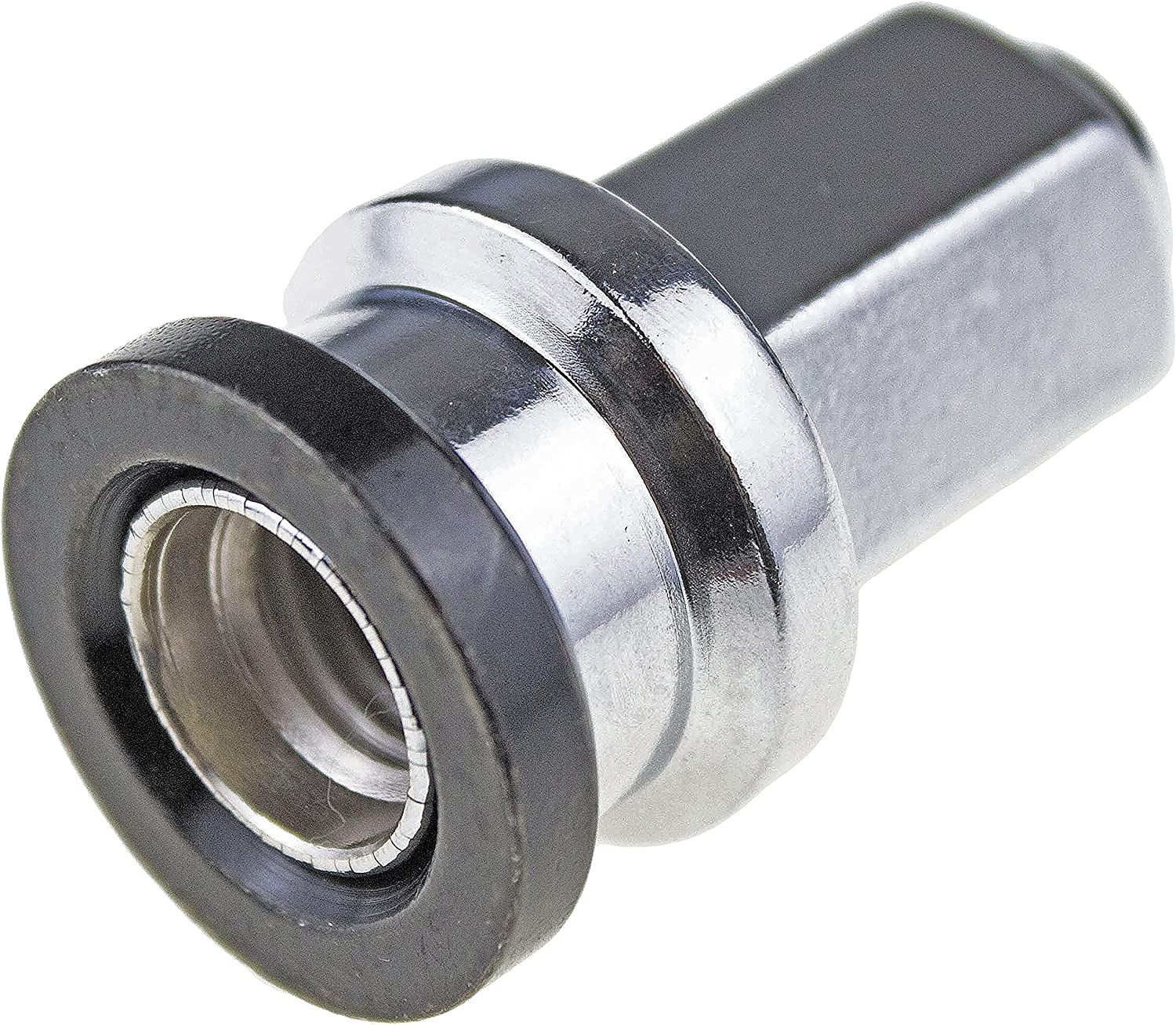
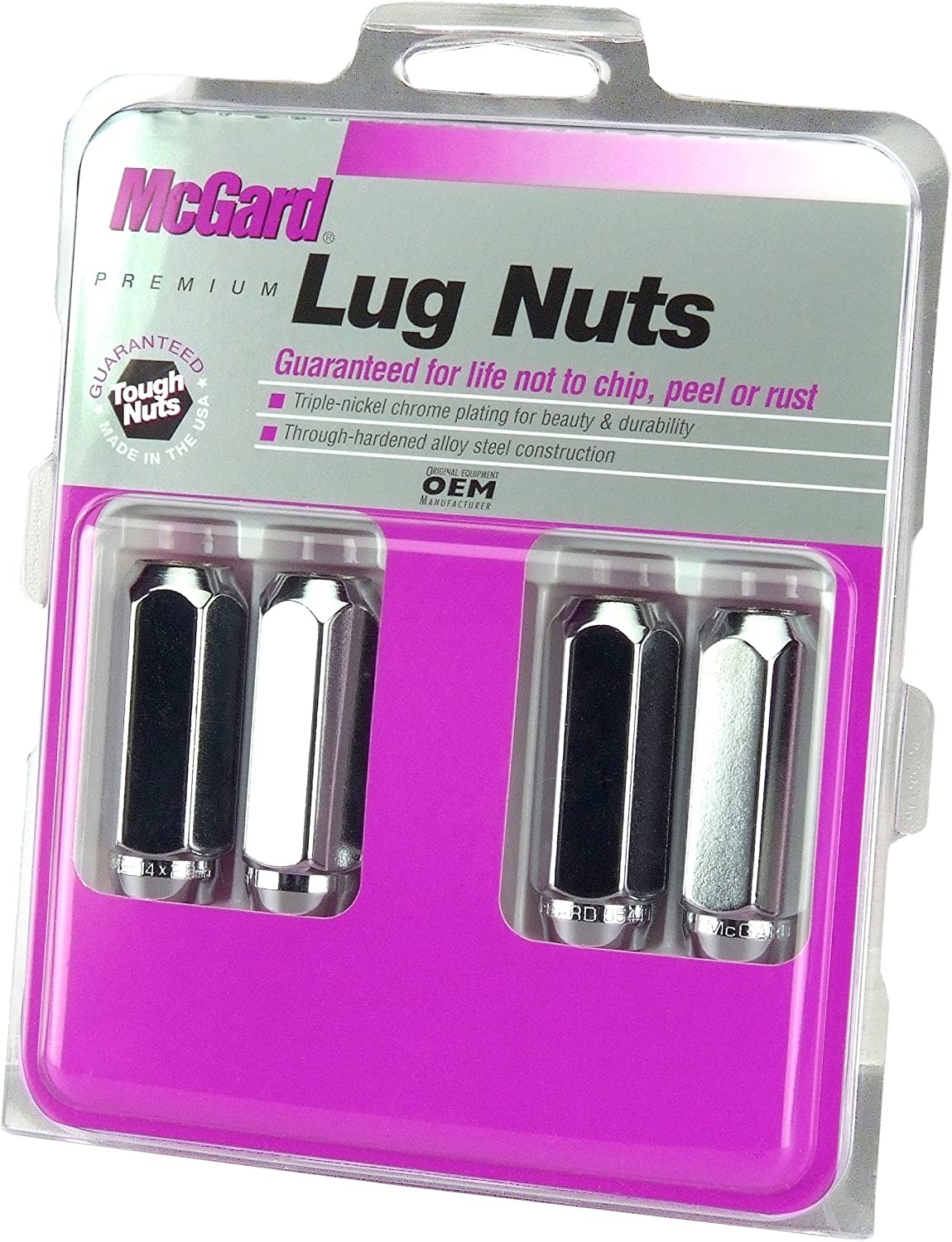
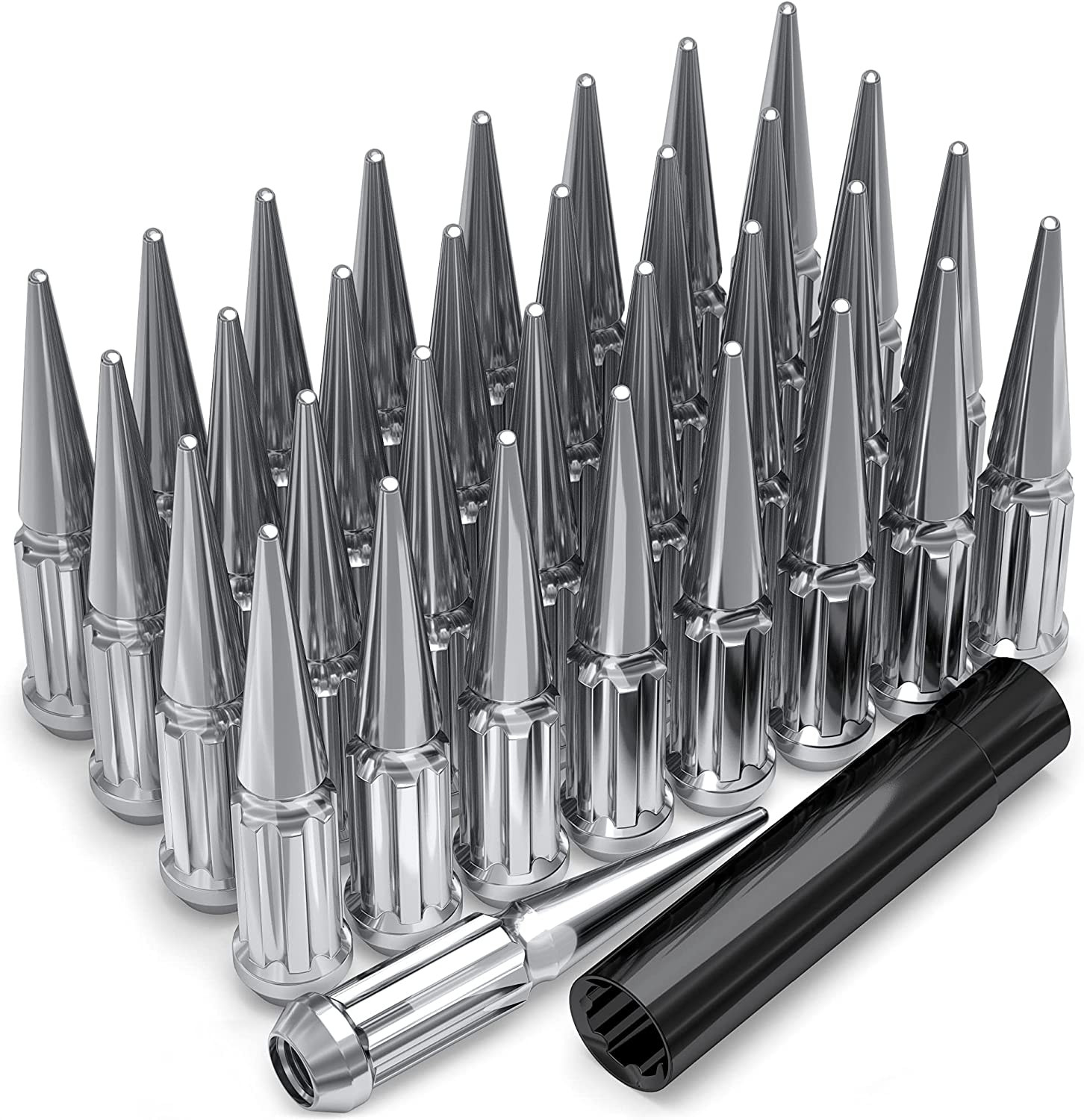
- Verify the correct lug nut seat, thread engagement, and wheel fastener specifications. M14 x 2.00 thread size does not identify the required lug nut seat by itself.
- Confirm TPMS sensor compatibility and whether the vehicle requires sensor relearning after installation.
- Ask the seller for exact wheel markings, including diameter, width, offset, center bore, load rating, and part number. Do not rely on a generic vehicle list alone.
Plus Sizing And Common Upgrades
Plus sizing normally increases wheel diameter while reducing tire sidewall height to maintain a similar overall tire diameter. This can change steering response, ride comfort, wheel protection, tire cost, and the risk of impact damage. A larger wheel may also reduce brake and suspension clearance depending on its spoke shape and offset.
No alternate plus-size specification is provided here, so do not assume a particular upgrade size is compatible. Use the calculator to compare custom rim diameter, width, offset, section width, and aspect ratio against the known 265/70R17 reference. Then confirm the proposed tire size in an OEM source or with the tire and wheel manufacturers. The final combination must maintain adequate clearance, load capacity, and correct tire pressure capability.
Changing offset changes the wheel’s position relative to the suspension and fender. Increasing positive offset generally moves the wheel inward, while decreasing positive offset generally moves it outward, but the actual result depends on wheel width. Check both inner and outer clearance rather than judging fitment from offset alone.
Installation Tips
Have the wheels installed by a qualified technician when possible. Clean rust, dirt, and paint from the hub and wheel mounting surfaces without removing metal. The wheel must sit flat against the hub, and the lug nuts must match the wheel’s seat design.
Install fasteners by hand first to prevent cross-threading. Tighten them in a crisscross pattern using a calibrated torque wrench set to the vehicle or wheel manufacturer’s specified torque. Do not use an impact tool for final tightening unless it is specifically controlled and followed by torque verification.
After installation, rotate each wheel by hand and inspect for contact. Lower the vehicle, recheck torque, and test drive slowly in a safe area. Recheck fastener torque after the first short drive and follow the wheel manufacturer’s instructions. Set tire pressure according to the vehicle placard, not the maximum pressure molded into the tire sidewall.
After changing wheels or tires, check for warning lights, steering vibration, rubbing, pulling, and TPMS faults. Stop driving and correct the problem if any wheel contacts the vehicle or if fasteners do not seat correctly.
Tools And Helpful Supplies
A torque wrench, correctly sized socket, breaker bar, jack, jack stands, wheel chocks, and a tire pressure gauge are useful for a careful inspection or installation. Use jack stands and follow the vehicle’s approved lifting points. Never work under a vehicle supported only by a jack.
Also keep the wheel manufacturer’s installation instructions available. If hub-centric rings are needed for a larger-bore wheel, use rings with the exact vehicle hub and wheel bore dimensions and follow the wheel manufacturer’s guidance.
FAQs
What is the bolt pattern for the 2004 Ford Expedition?
The known bolt pattern for this page is 6x135. Confirm the marking or part number on the wheel before purchase because a similar-looking wheel with a different pattern is not interchangeable.
What is the center bore?
The known center bore is 87.1 mm. A replacement wheel must clear the vehicle hub. A larger wheel bore may be usable with properly sized hub-centric rings when approved by the wheel manufacturer, but a smaller bore will not fit over the hub.
What is the known original wheel and tire specification?
The supplied reference is a 17 x 7.5 inch wheel with ET44 offset, 5.48 inch backspacing, and 265/70R17 tire data. Trim and package differences should be confirmed through OEM documentation and the markings on the existing wheel.
Can I install wheels from another vehicle?
Do not approve a donor wheel based only on the vehicle name. Enter the donor wheel dimensions in the calculator and compare bolt pattern, center bore, diameter, width, offset, backspacing, load rating, fastener seat, brake clearance, and tire requirements. A physical test fit and manufacturer confirmation are still required.
Does the calculator confirm that a wheel is safe?
No. It compares dimensions and updates tire diameter when rim diameter changes. It does not verify structural load rating, brake clearance, lug nut seat, tire approval, TPMS operation, or real-world rubbing.
What happens if I change tire aspect ratio or section width?
Aspect ratio changes sidewall height and overall tire diameter, while section width changes the tire’s approximate width. Both can affect clearance, handling, speedometer accuracy, ride quality, and load capacity. Compare custom values in the calculator and confirm the tire manufacturer’s approved rim-width range.
Do I need hub-centric rings?
Possibly, if the replacement wheel has a center bore larger than 87.1 mm and the wheel manufacturer allows their use. Rings do not correct an incorrect bolt pattern, offset, load rating, or brake clearance. Confirm the exact bore measurements before ordering.
Where can I confirm the final fitment?
Check the vehicle owner’s manual, Ford service information, the tire placard, original wheel markings, and the replacement wheel and tire manufacturers’ specifications. When measurements conflict, pause the installation and have the combination inspected by a qualified wheel and tire professional.