2015 Ford Expedition Wheel Fitment and Interchange Guide
Known OEM Fitment For 2015 Ford Expedition
The following specifications are the known OEM fitment values provided for the 2015 Ford Expedition. Fitment can vary by trim, package, brake equipment, and wheel design, so confirm the specifications for your specific vehicle before purchasing.
| Specification |
Known value |
| Bolt pattern |
6x135 |
| Center bore |
87.1 mm |
| Thread size |
M14 x 2.00 |
| Rim diameter |
18 inches |
| Rim width |
8.5 inches |
| Wheel offset |
ET44 |
| Backspacing |
5.98 inches |
| Tire size |
275/65R18 |
| Tire section width |
275 mm |
| Tire aspect ratio |
65% |
The listed 275/65R18 tire size has a calculated overall diameter of approximately 32.1 inches. This is a calculation based on the supplied tire dimensions, not a substitute for the tire placard or Ford service information. Check the driver door-jamb label, owner documentation, and current tire sidewall before ordering.
No complete list of interchangeable donor vehicles is provided here. A wheel must match the 6x135 bolt pattern, provide suitable hub clearance for the 87.1 mm center bore, use compatible fasteners, and clear the vehicle's brake components and suspension.
How To Use The Wheel Interchange Calculator
Use the calculator on this page to compare wheels from a donor vehicle with wheels installed on your 2015 Ford Expedition. Enter the donor wheel's diameter, width, offset, bolt pattern, and center bore when those fields are available. Then enter the known Expedition measurements or select the vehicle information available in the calculator.
- Compare the donor wheel's bolt pattern with 6x135. A different pattern is not a safe direct fit.
- Compare center bore measurements with the 87.1 mm hub specification. A smaller bore will not fit over the hub. A larger bore may require properly sized hub-centric rings when appropriate.
- Compare wheel width and offset to understand how far the wheel moves inward or outward.
- Use the custom wheel size fields to test a different rim diameter, width, or offset.
- Use the custom tire size fields to compare section width and aspect ratio.
- When you change rim diameter, review the updated tire diameter in the comparison. A different diameter can affect clearance, speedometer accuracy, gearing, and vehicle systems.
Calculator results are a measurement aid, not a guarantee of physical clearance. Confirm the final wheel and tire combination on the vehicle before driving, especially when changing offset, width, tire diameter, or tire section width.
Fitment Checklist Before You Buy
- Confirm the vehicle identification number, trim, drivetrain, and factory tire information using Ford or dealer documentation.
- Confirm the wheel uses the 6x135 bolt pattern.
- Confirm the wheel clears the 87.1 mm hub. Do not force a wheel with a smaller center bore onto the vehicle.
- Check the wheel's offset and backspacing, not only its diameter and width.
- Measure brake caliper, rotor, suspension, and fender clearance. Spoke shape can affect brake clearance even when the basic dimensions appear suitable.
- Confirm the wheel's load rating is appropriate for the Expedition. The wheel manufacturer should provide this value.
- Verify the tire load index, speed rating, size, and approved rim-width range.
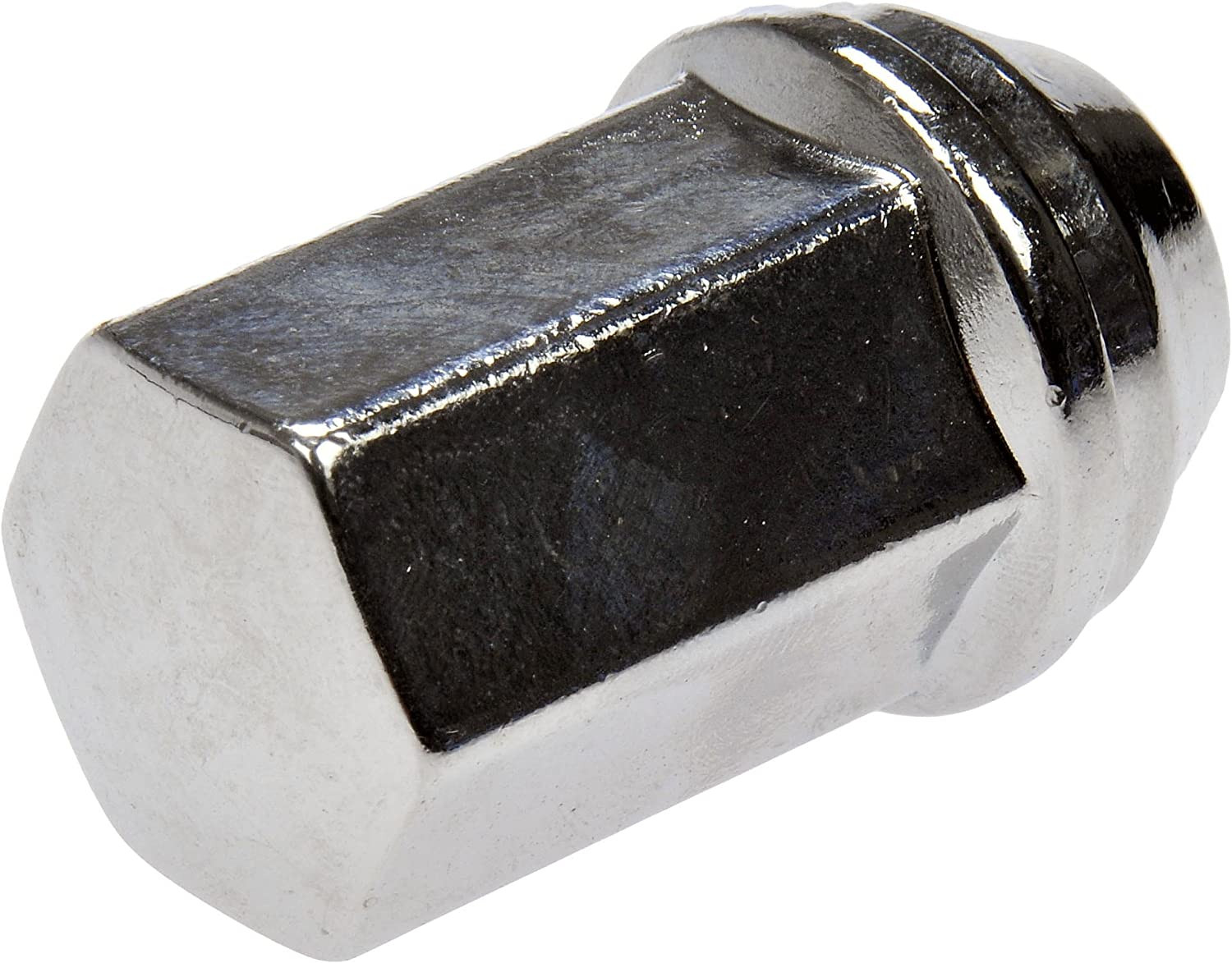
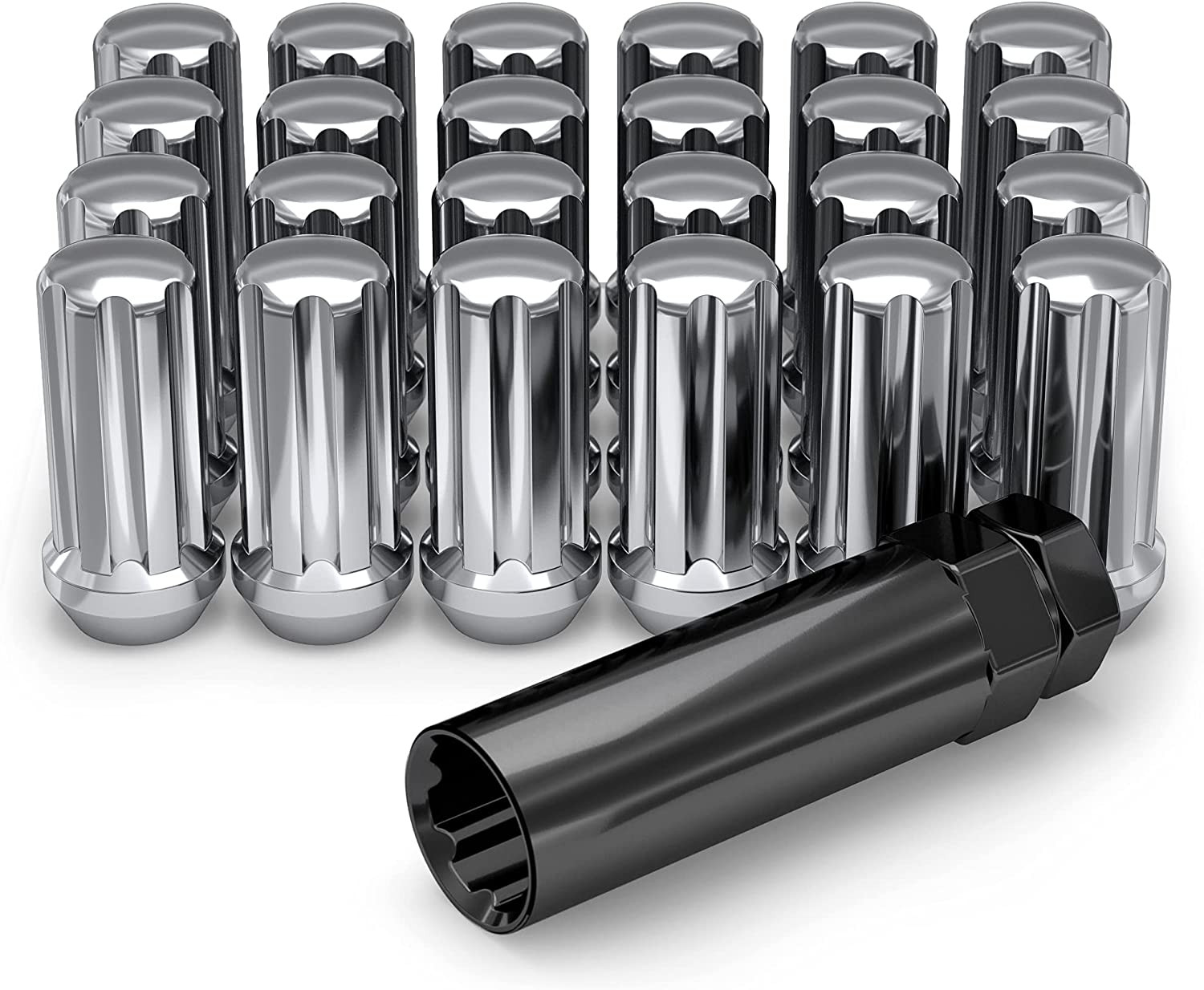
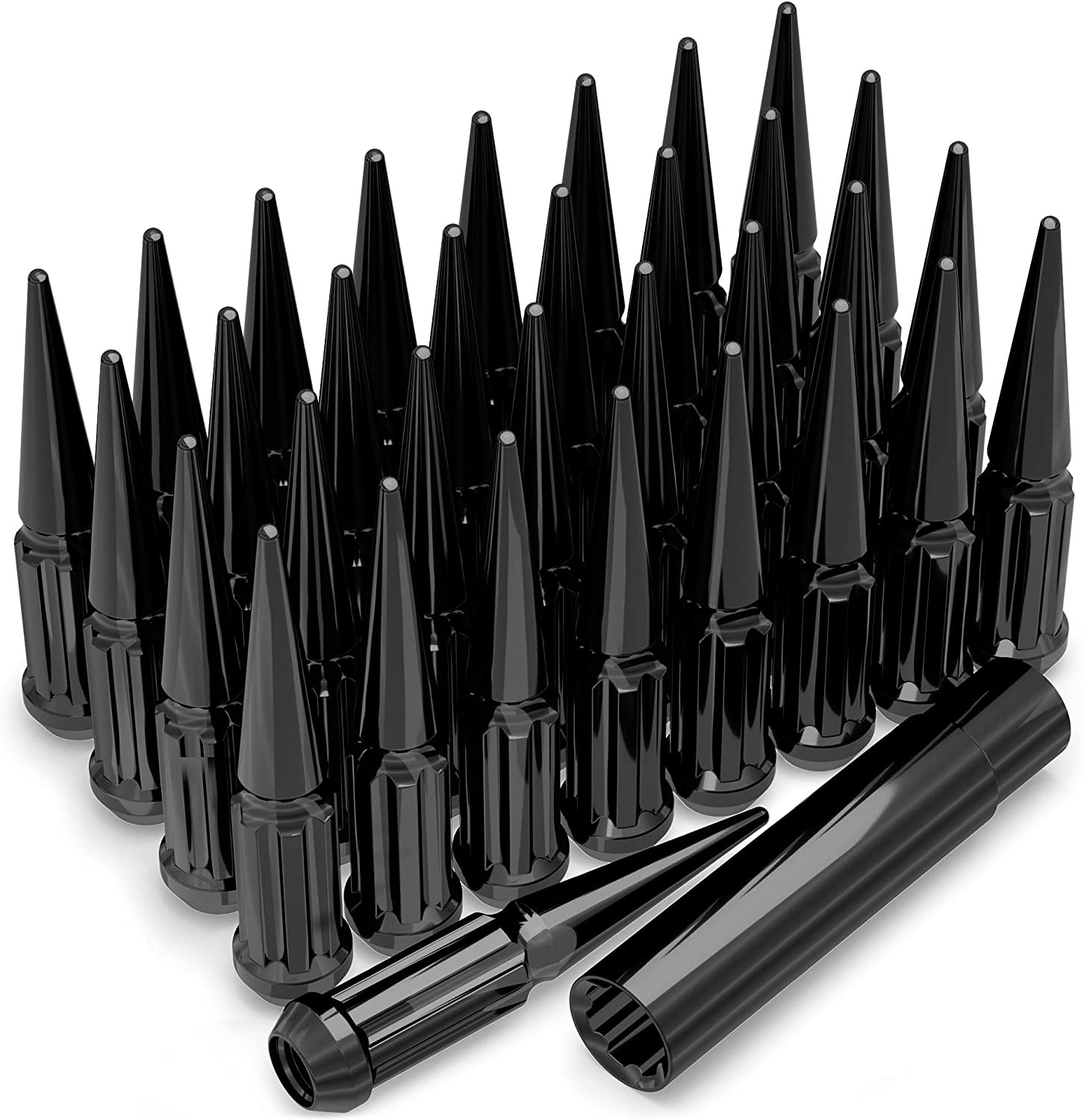
- Confirm that the lug nuts match the wheel's seat type, thread size, and required seating depth. The supplied thread size is M14 x 2.00, but lug nut seat style still depends on the wheel.
- Check for clearance at full steering lock, full suspension compression, and normal ride height.
- Plan for TPMS compatibility and sensor service if changing wheels or tire assemblies.
Do not rely on a seller's vehicle list alone. Part numbers, wheel markings, technical drawings, and manufacturer fitment data are more useful for confirming a specific wheel.
Plus Sizing And Common Upgrades
Plus sizing changes the relationship between wheel diameter, tire sidewall height, tire width, and overall tire diameter. A larger rim does not automatically make a wheel compatible. The replacement tire should maintain suitable load capacity and remain close enough to the original rolling diameter for the vehicle and intended use.
The calculator lets you test custom rim diameter, rim width, and offset, along with custom tire section width and aspect ratio. Use those inputs to compare likely changes before buying. If the rim diameter changes, review the calculator's updated tire diameter and then confirm the tire manufacturer's approved fitment range.
A wider tire or a more aggressive offset can reduce inner suspension clearance or increase the chance of fender contact. A lower-profile tire may also provide less impact protection and a firmer ride. There is no complete upgrade list supplied for this vehicle, so each proposed wheel and tire combination must be checked individually.
Installation Tips
Inspect used wheels for cracks, bends, corrosion around the bead seat, damaged lug holes, and previous repairs. Clean the hub and wheel mounting surfaces so rust or debris does not prevent the wheel from seating flat.
- Install wheels with the vehicle safely supported on approved jack stands or a suitable lift.
- Do not use impact tools to force mismatched lug nuts or to fully tighten fasteners.
- Hand-start every lug nut to reduce the risk of cross-threading.
- Tighten in a star or crisscross pattern using the torque specification in the Ford service information for your vehicle.
- Lower the vehicle enough to prevent rotation, then complete final torque with a calibrated torque wrench.
- After installation, check for contact while turning the steering wheel through its usable range.
- Recheck lug nut torque after the interval specified by the wheel or vehicle manufacturer, particularly after the first drive.
- Check tire pressure using the vehicle's recommended cold pressure, not the maximum pressure molded into the tire sidewall.
Stop driving if you notice vibration, rubbing, steering changes, air loss, or loose fasteners. Have the assembly inspected by a qualified technician.
Tools And Helpful Supplies
Useful equipment for a careful wheel fitment check and installation includes a calibrated torque wrench, socket set, jack stands or a properly rated vehicle lift, a tire pressure gauge, and a tread or clearance measuring tool. A wheel manufacturer's technical drawing can help verify spoke and brake clearance.
Use only lifting equipment with a capacity suitable for the vehicle, and follow the equipment manufacturer's safety instructions. Hub-centric rings, if needed, must be selected for the exact hub and wheel bore dimensions and should not be used to correct an incorrect bolt pattern.
FAQs
What is the bolt pattern for the 2015 Ford Expedition?
The known bolt pattern is 6x135, meaning six studs on a 135 mm pitch circle diameter. Confirm the wheel manufacturer's specifications before purchase.
What center bore is listed for the 2015 Ford Expedition?
The known center bore is 87.1 mm. A wheel with a smaller center bore will not seat over the hub. A larger bore may need an accurately sized hub-centric ring where appropriate.
What is the listed OEM wheel and tire size?
The supplied fitment data lists an 18 x 8.5 inch wheel with ET44 offset and a 275/65R18 tire. Trim and equipment variations should be confirmed through the vehicle's door-jamb label and OEM documentation.
Can I install any 6x135 wheel?
No. The bolt pattern is only one part of fitment. You must also check center bore, offset, backspacing, wheel load rating, brake clearance, lug nut compatibility, tire dimensions, and clearance at steering and suspension travel.
What thread size should the lug nuts use?
The supplied thread specification is M14 x 2.00. The lug nut must also match the wheel's seat style and provide proper engagement. Confirm the correct fastener specification with the wheel manufacturer or Ford service information.
Can I use a larger rim diameter?
A larger rim may be possible, but it requires a compatible tire and a complete clearance check. Enter the custom wheel and tire dimensions in the calculator, review the updated tire diameter, and verify load rating and brake clearance before purchase.
Why does wheel offset matter?
Offset changes the wheel's position relative to the hub. A different offset can move the inner rim closer to suspension components or move the outer rim and tire closer to the fender. Use the calculator for comparison, then physically verify clearance.
Does the calculator guarantee that a donor wheel will fit?
No. The calculator compares the dimensions entered by the user. It cannot confirm every brake, spoke, tire, load rating, fastener, or trim-specific clearance issue. Confirm the donor wheel's markings and specifications with the manufacturer and inspect the vehicle before driving.