2020 Ford Expedition Wheel Fitment
Known OEM Fitment For 2020 Ford Expedition
The following specifications are the known OEM fitment details available for the 2020 Ford Expedition. They may not represent every trim, package, wheel option, or replacement configuration, so confirm the information on your vehicle and in Ford service documentation before purchasing wheels or tires.
| Specification |
Known value |
| Bolt pattern |
6x135 |
| Center bore |
87.1 mm |
| Thread size |
M14 x 2.00 |
| Rim diameter |
18 inches |
| Rim width |
8.5 inches |
| Wheel offset |
ET44 mm |
| Backspacing |
5.98 inches |
| Tire size information |
275 section width, 65 aspect ratio, R18 rim diameter |
These values describe the supplied known fitment data, not a guarantee that every 2020 Ford Expedition uses the same wheel and tire combination. Check the driver-door certification label, the original wheel markings, the owner documentation, and Ford parts or service information for your specific vehicle.
How To Use The Wheel Interchange Calculator
Use the calculator to compare a donor vehicle wheel with the wheel installed on your 2020 Ford Expedition. Enter the donor vehicle information under “Wheels from” and enter your Expedition information under “Installed on.” The comparison can help identify differences in rim diameter, width, offset, tire dimensions, and related fitment measurements.
The calculator also supports a custom wheel size. Adjust rim diameter, rim width, and offset to evaluate a wheel that does not exactly match the donor vehicle configuration. You can also enter a custom tire section width and aspect ratio. When rim diameter changes, the calculator updates the tire diameter in the comparison, which helps you review overall tire-size differences.
Treat the calculator as a screening tool, not a substitute for a physical test fit or OEM verification. It cannot confirm clearance for every brake package, suspension component, fender area, wheel design, tire brand, or vehicle load condition. Review the results alongside the vehicle label and Ford documentation.
Fitment Checklist Before You Buy
Start by matching the 6x135 bolt pattern and confirming that the wheel is designed for an M14 x 2.00 wheel stud and nut arrangement. The wheel must also provide appropriate clearance around the supplied 87.1 mm hub bore. A larger center bore may require correctly sized hub-centric rings, while a smaller bore generally will not fit over the hub. Confirm ring material, dimensions, and seating before use.
Compare the proposed wheel's diameter, width, offset, and backspacing with the known 18 x 8.5 wheel, ET44 offset, and 5.98 inch backspacing. A change in offset or width can move the inner rim closer to suspension parts or move the outer rim and tire closer to the fender. The tire must also have adequate clearance at full steering lock, full suspension compression, and normal loaded height.
Verify the wheel's load rating, brake clearance, valve-stem compatibility, lug hardware seat type, and tire pressure monitoring system compatibility. Do not assume that a wheel with the correct bolt pattern will clear the brakes or safely support the vehicle. Confirm the finished tire diameter and load capacity with the tire manufacturer and OEM information.
Plus Sizing And Common Upgrades
Plus sizing changes the wheel diameter while maintaining a tire diameter that is as close as practical to the original. The calculator can show how a different rim diameter affects the comparison, but it does not establish an approved tire size or guarantee clearance. The replacement tire must have a suitable load index, speed rating, rim-width range, and overall diameter for the Expedition.
Wider wheels or tires can change steering effort, road clearance, fender clearance, and contact with suspension components. A lower-profile tire may provide different handling response but can reduce sidewall protection and ride comfort. Do not choose a size solely because it fits the wheel physically. Confirm the complete tire and wheel combination with Ford documentation, a qualified tire professional, and a hands-on clearance check.
Changing wheel offset can affect scrub geometry and bearing loading. Avoid using spacers or adapters unless their design, load rating, hub engagement, fasteners, and installation instructions are appropriate for the vehicle. If the vehicle has four-wheel drive, verify that tire diameters remain suitable for the drivetrain and that all tires are matched as required by the vehicle manufacturer.
Installation Tips
Before mounting a tire, test-fit each bare wheel on the vehicle to check the hub, studs, brake caliper, suspension, and fender clearances. Rotate the steering from lock to lock and inspect for contact. Check clearance again with the suspension loaded and after the tires are installed. Never rely only on a stationary visual check at the top of the tire.
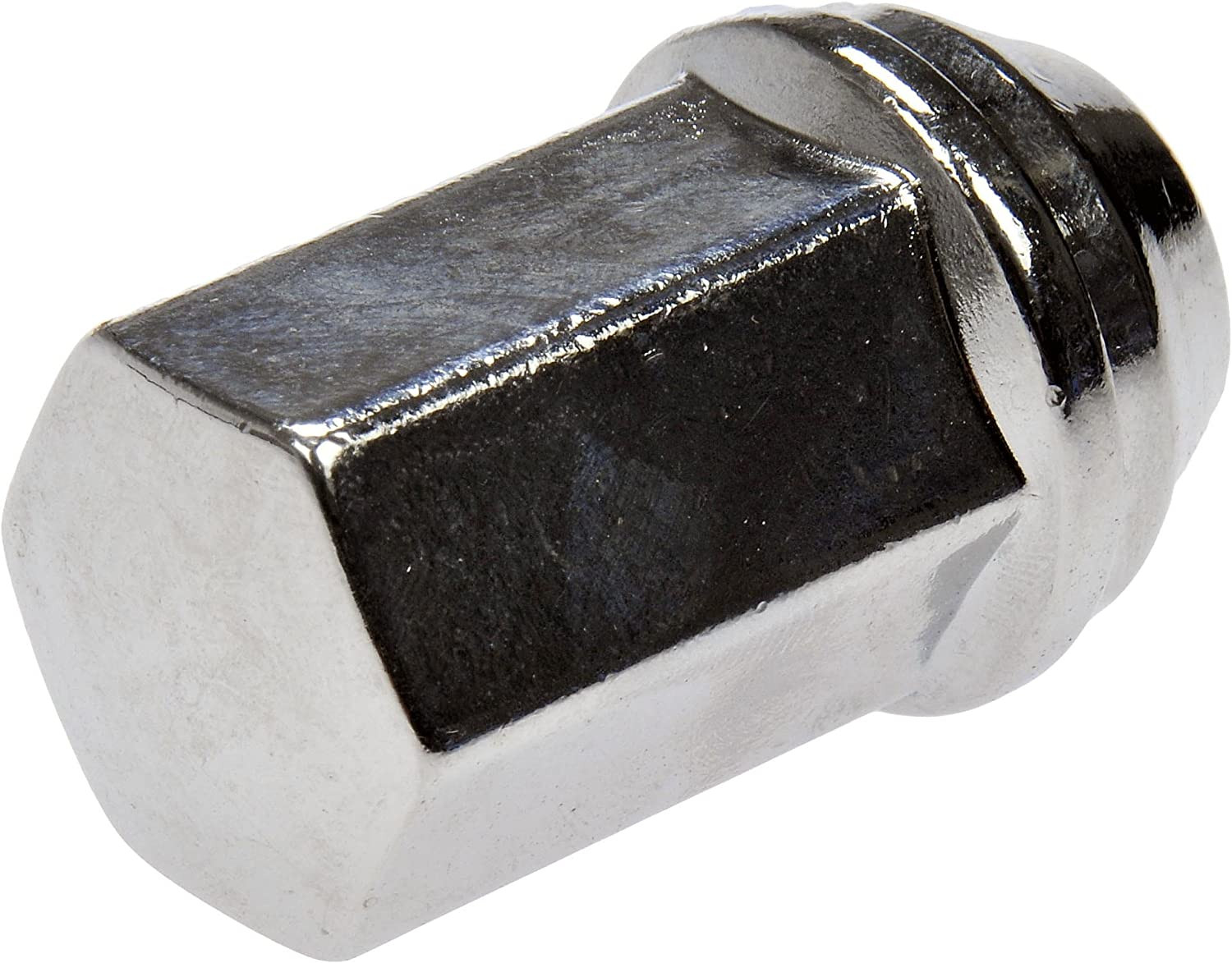
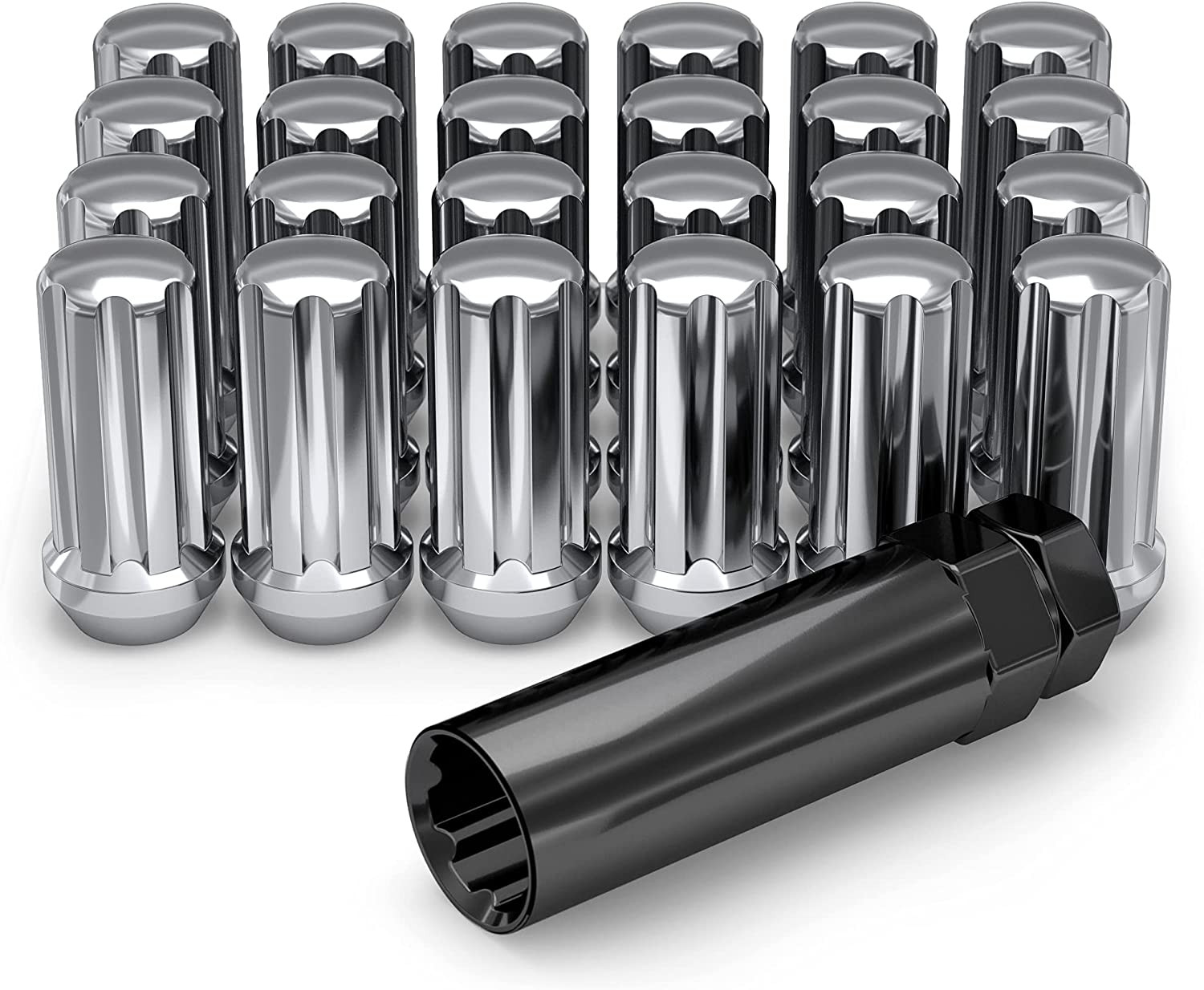
Use the correct lug nuts for the wheel's seat design and thread requirements. The supplied thread size is M14 x 2.00, but the lug nut seat and required nut style still must match the replacement wheel. Clean the hub and wheel mounting surfaces, install the wheel evenly, and tighten the lug nuts in a star pattern using the vehicle manufacturer's torque specification. Do not guess the torque value.
After installation, set tire pressures according to the vehicle placard, not the maximum pressure molded on the tire. Recheck lug torque after the first driving period specified by the wheel or vehicle manufacturer, inspect for rubbing, and confirm that the tire pressure monitoring system operates correctly.
Tools And Helpful Supplies
A torque wrench, suitable socket, jack, jack stands, wheel chocks, and a tire pressure gauge are useful for a careful wheel installation. Use jack stands and follow safe lifting points. Never work beneath a vehicle supported only by a jack.
Shop automotive torque wrenches on Amazon and shop digital tire pressure gauges on Amazon. These links are provided as general tool-search resources. Confirm the tool range and accuracy requirements for your application before buying.
FAQs
What is the known bolt pattern for the 2020 Ford Expedition?
The supplied known bolt pattern is 6x135. Confirm it against the original wheel or Ford vehicle documentation before ordering replacement wheels.
What center bore is listed for this Expedition fitment?
The known center bore is 87.1 mm. A replacement wheel with a larger bore may need correctly sized hub-centric rings, while a smaller bore generally cannot fit over the vehicle hub.
What wheel size and offset are provided?
The known wheel information is 18 x 8.5 inches with an ET44 offset and 5.98 inch backspacing. These values may vary by trim or package, so verify the original wheel markings and OEM sources.
What tire size information is known?
The supplied tire information is a 275 section width, 65 aspect ratio, and R18 rim diameter. This is expressed as 275/65R18 when written in standard tire-size format, but confirm the placard and the complete tire specification for your vehicle.
Can any 6x135 wheel fit the 2020 Ford Expedition?
No. The bolt pattern is only one requirement. You must also check center bore, offset, backspacing, wheel width, brake clearance, load rating, lug-nut seat, tire compatibility, and clearance throughout steering and suspension travel.
How can I compare a different donor wheel?
Enter the donor vehicle under “Wheels from” and the Expedition under “Installed on” in the wheel interchange calculator. Compare the dimensions, then use the custom wheel and tire fields to test alternative rim diameter, width, offset, section width, and aspect ratio values.
Does changing the rim diameter change the tire comparison?
Yes. According to the calculator behavior, changing rim diameter updates the tire diameter in the comparison. The result is still an estimate and must be checked against OEM guidance, tire manufacturer data, and physical vehicle clearance.
Where should I confirm final fitment?
Confirm the driver-door label, original wheel markings, Ford owner and service information, the wheel manufacturer's application data, and the tire manufacturer's approved rim-width and load information. A qualified tire or wheel technician can also perform a physical test fit.