2005 Ford Expedition Wheel Fitment Guide
This guide summarizes the known OEM wheel and tire measurements for the 2005 Ford Expedition and explains how to check replacement wheels safely. Fitment can vary by trim, equipment, market, wheel design, and brake clearance. Treat the specifications below as a reference, then confirm the vehicle documentation and test-fit details before purchasing.
Known OEM Fitment For 2005 Ford Expedition
| Specification |
Known value |
| Bolt pattern |
6x135 |
| Center bore |
87.1 mm |
| Thread size |
M14 x 2.00 |
| Rim diameter |
17 inches |
| Rim width |
7.5 inches |
| Wheel offset |
ET44, or 44 mm |
| Backspacing |
5.48 inches |
| Tire size |
265/70R17 |
| Tire section width |
265 mm |
| Tire aspect ratio |
70 percent |
| Tire rim diameter |
17 inches |
The listed 265/70R17 tire has an approximate calculated outside diameter of 35.5 inches. Actual measured diameter varies by tire brand, tread design, inflation pressure, load, and wear. Confirm the door-jamb tire label, owner's manual, wheel markings, and current vehicle configuration before treating these values as universal for every 2005 Expedition.
The bolt pattern must match exactly. A wheel with a different 6-lug PCD is not interchangeable merely because it has six holes. The replacement wheel must also provide sufficient center-bore, thread, load, and brake-clearance compatibility.
How To Use The Wheel Interchange Calculator
Use the on-page calculator to compare a donor vehicle's wheels with the wheels installed on your 2005 Ford Expedition.
- Enter the donor vehicle or donor wheel information under “Wheels from.”
- Enter the Expedition information under “Installed on.” Use the known values above where they match your vehicle.
- Compare bolt pattern, center bore, rim width, rim diameter, and offset. A calculator comparison does not replace inspection of brake clearance, wheel load rating, or tire clearance.
- Use “Custom wheel size” to test a proposed rim diameter, width, and offset.
- Use “Custom tire size” to compare section width and aspect ratio. The calculator updates tire diameter when rim diameter changes, helping you review overall height and speedometer-related differences.
- Review the displayed differences in inner clearance, outer position, and overall tire diameter before buying.
Calculator results are screening information, not a guarantee of road-ready fitment. Verify the wheel's stamped specifications and obtain confirmation from Ford documentation, the wheel manufacturer, or a qualified tire and wheel professional.
Fitment Checklist Before You Buy
- Confirm the exact 6x135 bolt pattern.
- Confirm that the wheel center bore is at least 87.1 mm. A larger bore may require properly sized hub-centric rings. A smaller bore will not fit over the hub without approved machining.
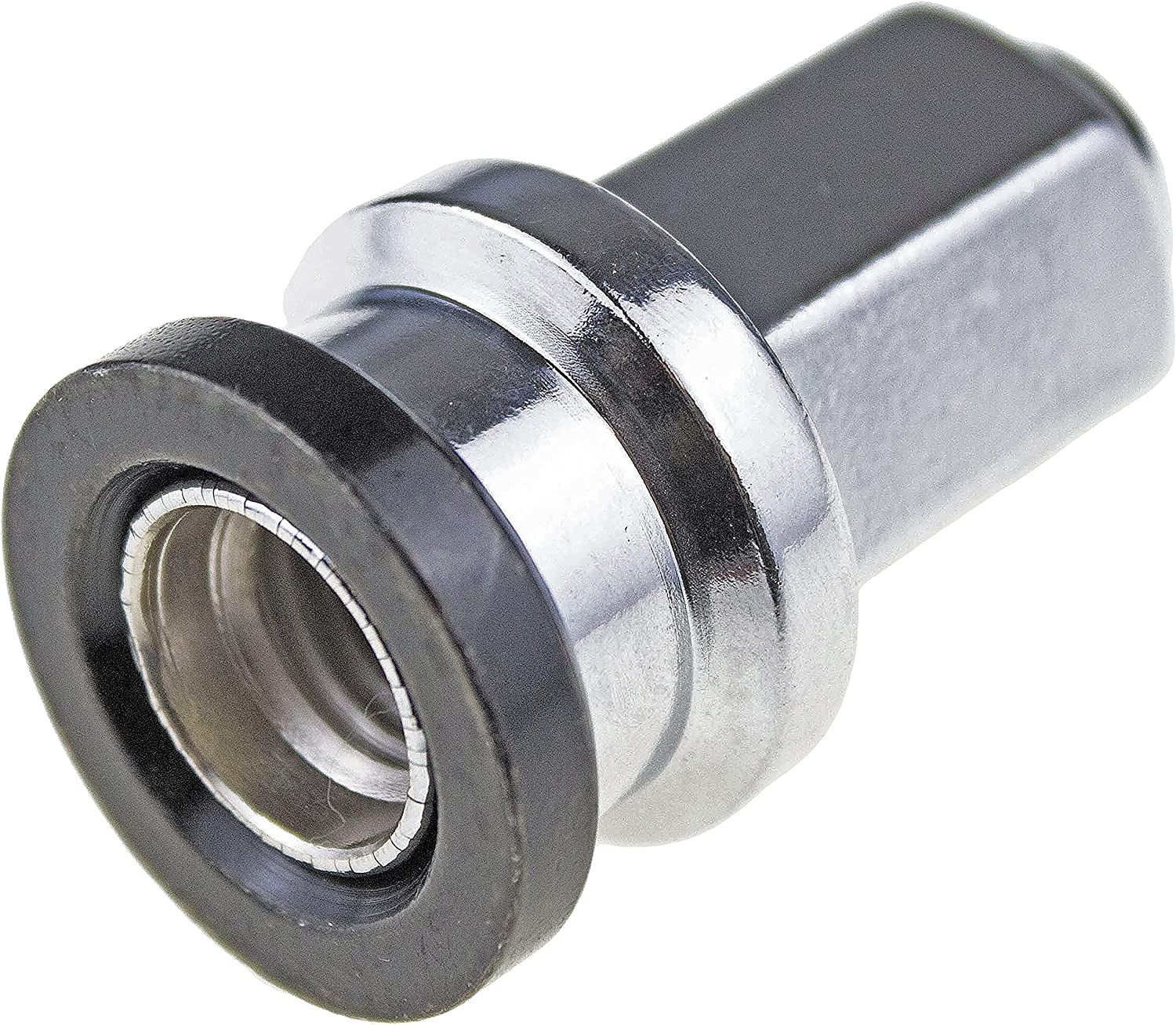
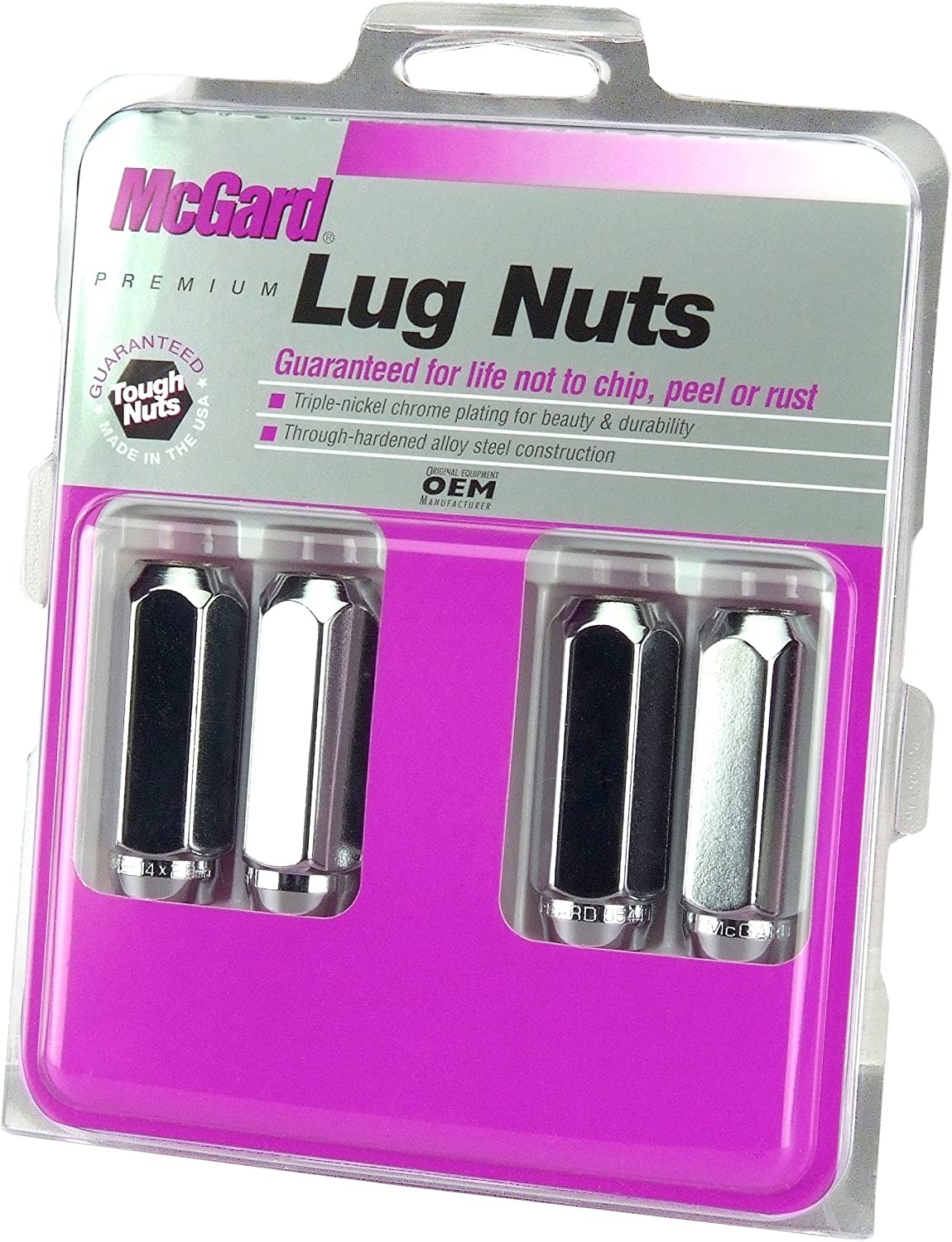
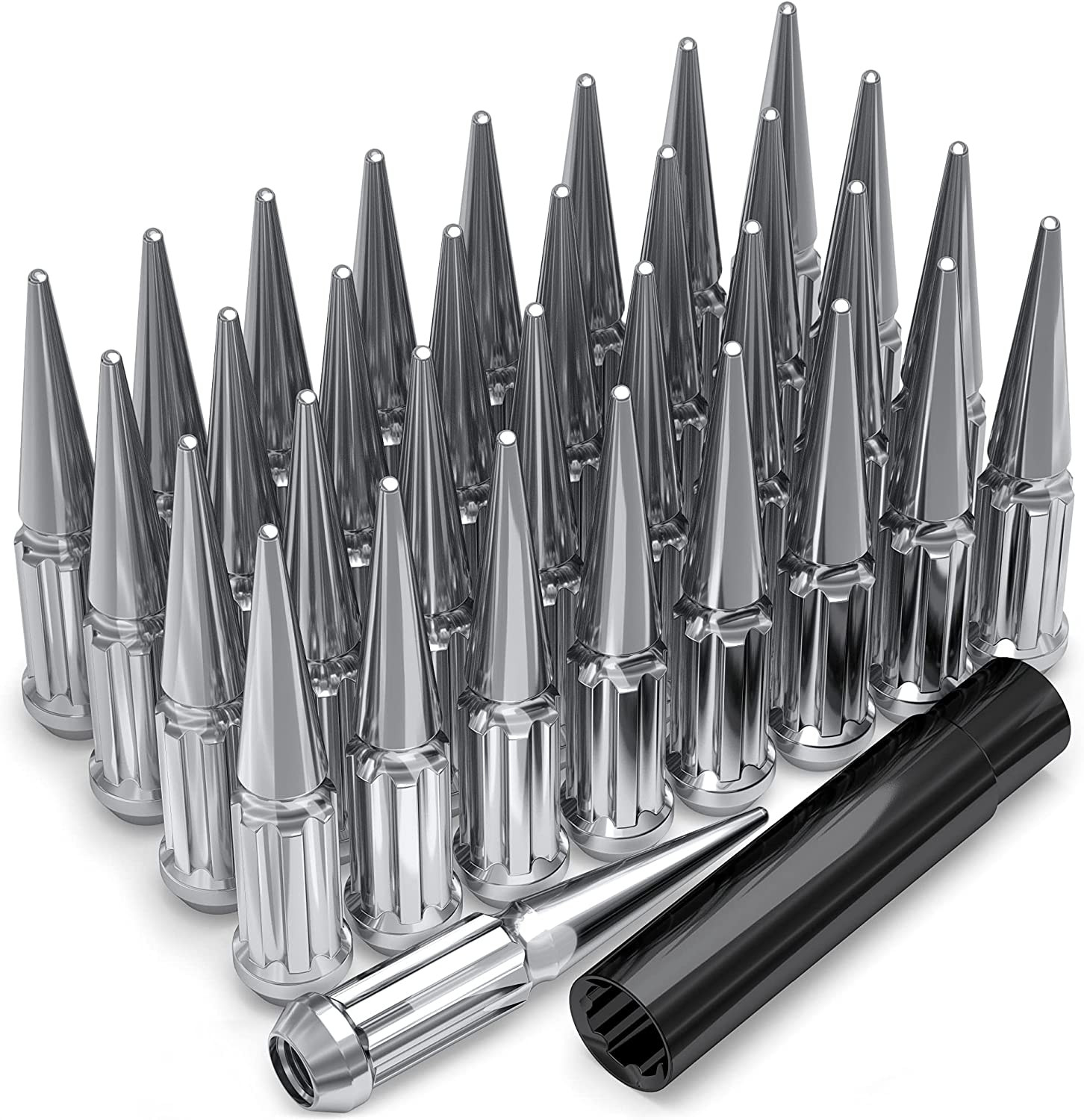
- Confirm the wheel uses compatible M14 x 2.00 lug hardware and that the lug-seat style matches the wheel. Do not assume the original lug nuts are correct for an aftermarket wheel.
- Check rim width, diameter, and offset against the calculator and the tire manufacturer's approved rim-width range.
- Check wheel load rating. The wheel must safely support the Expedition's axle loads, passengers, cargo, and towing requirements.
- Inspect clearance to brake calipers, steering and suspension components, hubs, and inner fenders.
- Check outer sidewall and tread clearance at full steering lock and throughout suspension travel.
- Confirm that the tire's load index and speed rating meet or exceed the vehicle and tire placard requirements.
- Verify TPMS compatibility if the vehicle uses tire-pressure sensors.
- Confirm that the spare wheel and tire remain usable if the primary wheel and tire size changes.
Do not rely on a seller's statement that a wheel fits “all Ford trucks” or “all Expeditions.” Ask for the exact bolt pattern, center bore, offset, width, diameter, load rating, and lug-seat information.
Plus Sizing And Common Upgrades
Plus sizing changes the wheel diameter while attempting to maintain a similar overall tire diameter. This may reduce sidewall height and alter ride comfort, handling response, wheel protection, rolling resistance, and the risk of rim damage. It can also affect speedometer readings, drivetrain behavior, and clearance.
No specific larger wheel or tire combination is confirmed here. Use the calculator's custom wheel and tire fields to compare proposed sizes against the known 17x7.5 ET44 reference. Then verify the selected tire's approved rim width, load index, speed rating, and overall diameter with the tire manufacturer.
- Keep the replacement tire diameter close to the vehicle reference unless a qualified professional confirms the effects of a larger or smaller size.
- Do not use a wider tire without checking inner suspension clearance and outer fender clearance.
- Do not assume that changing offset by a small amount is harmless. It changes both inner clearance and how far the wheel extends outward.
- Confirm brake and hub clearance with the actual wheel design. Spoke shape and barrel profile can matter as much as diameter.
- After installation, check for rubbing with the steering at both full-lock positions and with the suspension loaded.
Installation Tips
- Inspect the hub face and wheel mounting surface. Remove rust, dirt, and scale without changing the mating geometry.
- Install wheels only with the correct lug nuts or bolts, thread engagement, and lug-seat type specified for the wheel.
- Start all lug hardware by hand to avoid cross-threading.
- Snug the hardware in a star or crisscross pattern, lower the vehicle as needed, and torque it to the vehicle or wheel manufacturer's specification. The correct torque value is not provided here and must be confirmed from an OEM or wheel-maker source.
- Never use an impact gun for final torque unless it is specifically controlled and followed by a calibrated torque wrench.
- Check tire pressure against the vehicle placard, not the maximum pressure molded on the tire sidewall.
- Recheck lug torque after the first short drive and again according to the wheel manufacturer's instructions.
- Recheck tire pressure, TPMS operation, and clearance after installation.
Tools And Helpful Supplies
A calibrated torque wrench, correct socket, jack and jack stands or an appropriate lift, and a tire-pressure gauge are basic safety equipment for wheel work. A tread-depth gauge and a hub-cleaning brush can also help with inspection and installation preparation.
Use jack stands or a properly rated vehicle lift. Never work under a vehicle supported only by a jack. Confirm that every tool and lifting device is rated for the Expedition's weight.
FAQs
What is the bolt pattern for the 2005 Ford Expedition?
The known bolt pattern is 6x135. Confirm the wheel's stamped specifications before purchase because a six-lug wheel with a different PCD will not fit correctly.
What is the center bore?
The known center bore is 87.1 mm. A larger aftermarket bore may need correctly sized hub-centric rings. A smaller bore cannot fit over the hub unless the wheel is professionally modified and approved for that use.
What is the known OEM tire size?
The provided reference tire size is 265/70R17. Trim and equipment differences may exist, so verify the driver's door-jamb label and owner's manual for the specific vehicle.
Can I install wheels from another Ford vehicle?
Do not assume compatibility based only on the Ford badge or six-lug design. Compare the donor wheel's bolt pattern, center bore, diameter, width, offset, load rating, lug-seat type, and brake clearance in the calculator, then confirm the specifications with the donor vehicle and wheel manufacturer.
What offset and wheel size are listed for this Expedition?
The known reference is a 17x7.5 wheel with ET44 offset and 5.48-inch backspacing. These measurements describe the supplied fitment data and should be checked against the actual wheel and vehicle configuration.
Can I use a wider tire?
A wider tire may be possible, but no specific wider combination is confirmed here. Check the tire manufacturer's approved rim width, load rating, overall diameter, and clearance at full steering lock and through suspension travel before installation.
Will changing wheel diameter change the tire diameter?
It can. When you change rim diameter, you must select a different tire aspect ratio or section size to maintain a similar overall diameter. The on-page calculator updates tire diameter when the custom rim diameter changes, but the result still requires confirmation against manufacturer specifications.
What lug hardware should I use?
The known thread size is M14 x 2.00, but thread size alone does not identify the correct lug nut. Match the lug-seat style, shank or washer requirements, thread engagement, and torque specification to the wheel and vehicle manufacturer instructions.