2016 Ford Expedition Wheel Fitment Guide
This 2016 Ford Expedition wheel fitment guide summarizes the known original-equipment specifications and explains how to compare donor wheels, custom wheel sizes, and tire sizes. Fitment can vary by trim, package, production details, and replacement parts, so confirm the final combination with the vehicle owner’s manual, Ford service information, and the wheel manufacturer before purchasing.
Known OEM Fitment For 2016 Ford Expedition
The following specifications are the known fitment values available for this page. They should be treated as a starting point for comparison, not as permission to install every wheel with matching basic dimensions.
| Specification |
Known value |
| Bolt pattern |
6x135 |
| Center bore |
87.1 mm |
| Thread size |
M14 x 2.00 |
| Rim diameter |
18 inches |
| Rim width |
8.5 inches |
| Wheel offset |
ET44, or 44 mm |
| Backspacing |
5.98 inches |
| Known tire size |
275/65R18 |
| Tire section width |
275 mm |
| Tire aspect ratio |
65 percent |
| Tire rim diameter |
18 inches |
These specifications do not by themselves confirm brake-caliper clearance, suspension clearance, fender clearance, tire load capacity, or the correct lug nut seat. Confirm those details for the exact wheel and tire combination.
How To Use The Wheel Interchange Calculator
Use the calculator to compare a potential donor vehicle with your 2016 Ford Expedition. Enter the donor vehicle in the “Wheels from (donor vehicle)” area and use the Expedition as the vehicle in the “Installed on (your vehicle)” area.
- Compare the donor wheel’s bolt pattern, center bore, diameter, width, offset, and backspacing where available.
- Review the calculated difference between the donor wheel and the known Expedition setup. A matching bolt pattern does not guarantee complete fitment.
- Use the “Custom wheel size” controls to test a specific rim diameter, rim width, and offset when a vehicle listing does not represent the exact wheel you want to install.
- Use the “Custom tire size” controls to compare tire section width and aspect ratio.
- When you change rim diameter, the calculator updates the tire diameter in the comparison. Recheck overall diameter, clearance, speedometer implications, and load requirements after every change.
The calculator is a comparison tool, not a substitute for a physical test fit or manufacturer approval. If a value is missing or varies by trim, confirm it from the wheel casting, tire sidewall, vehicle door-jamb label, owner’s manual, or Ford service documentation.
Fitment Checklist Before You Buy
- Confirm the wheel uses the 6x135 bolt pattern and has sufficient clearance for the 87.1 mm center-bore requirement. A smaller center bore will not fit over the hub.
- Verify the wheel’s diameter, width, and offset. Compare them with the known 18x8.5 ET44 setup and the 5.98-inch backspacing value.
- Check brake, steering, suspension, and inner-fender clearance with the exact wheel design. Spoke shape and barrel profile can matter even when dimensions appear correct.
- Confirm the tire is approved for the wheel width and has adequate load capacity and speed rating for the Expedition.
- Check that the tire does not contact the strut, control arm, liner, fender, or body during steering and suspension movement.
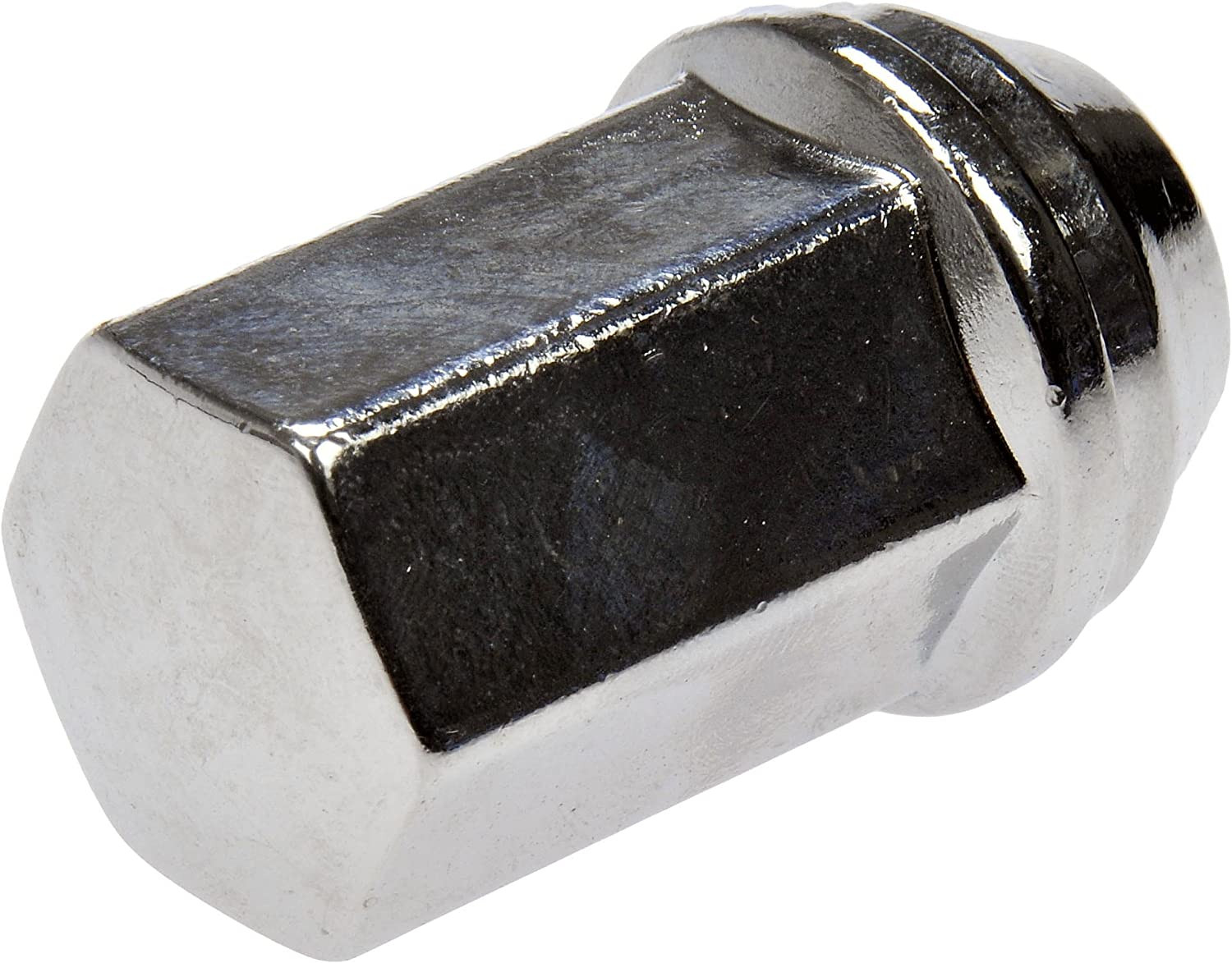
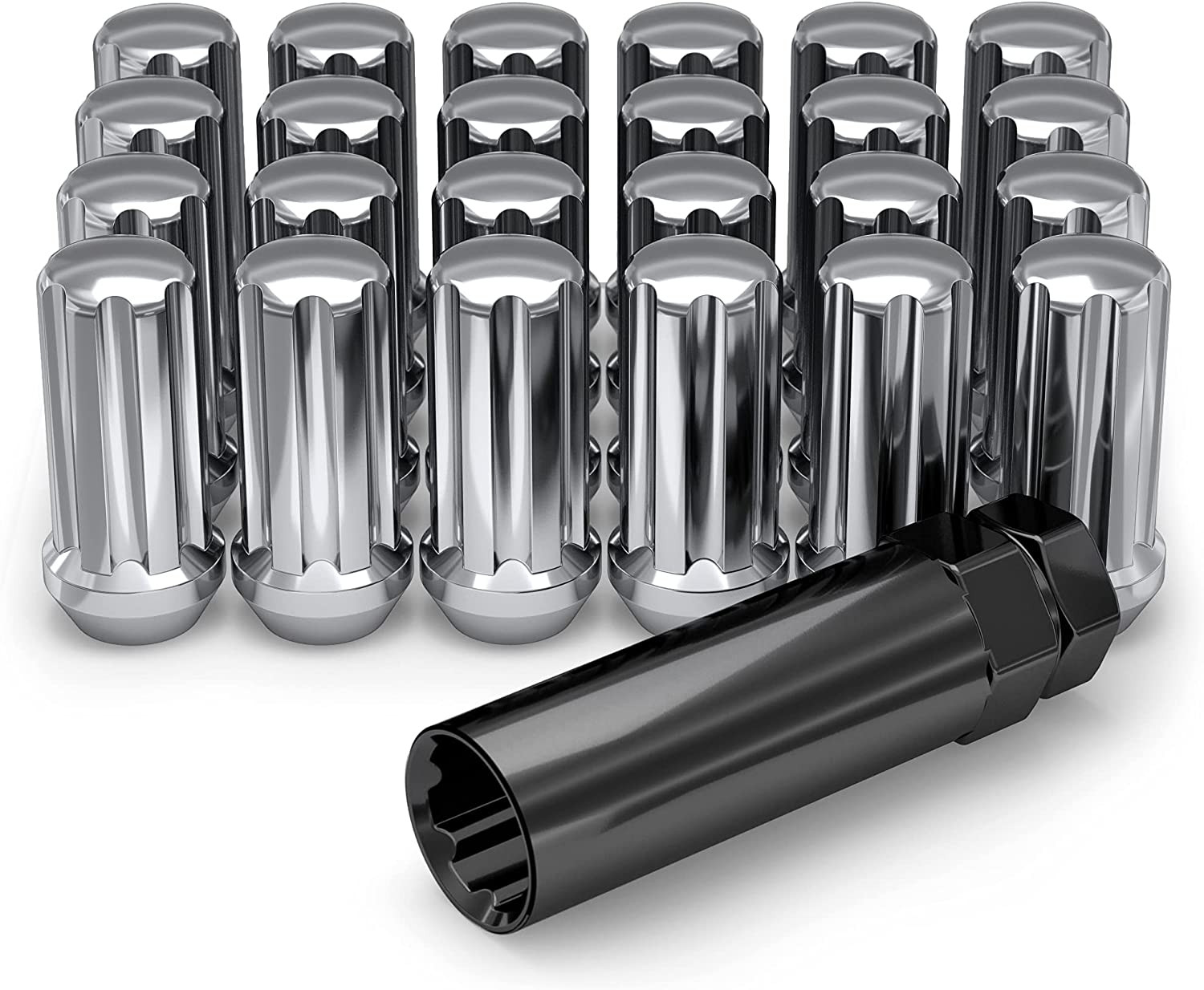
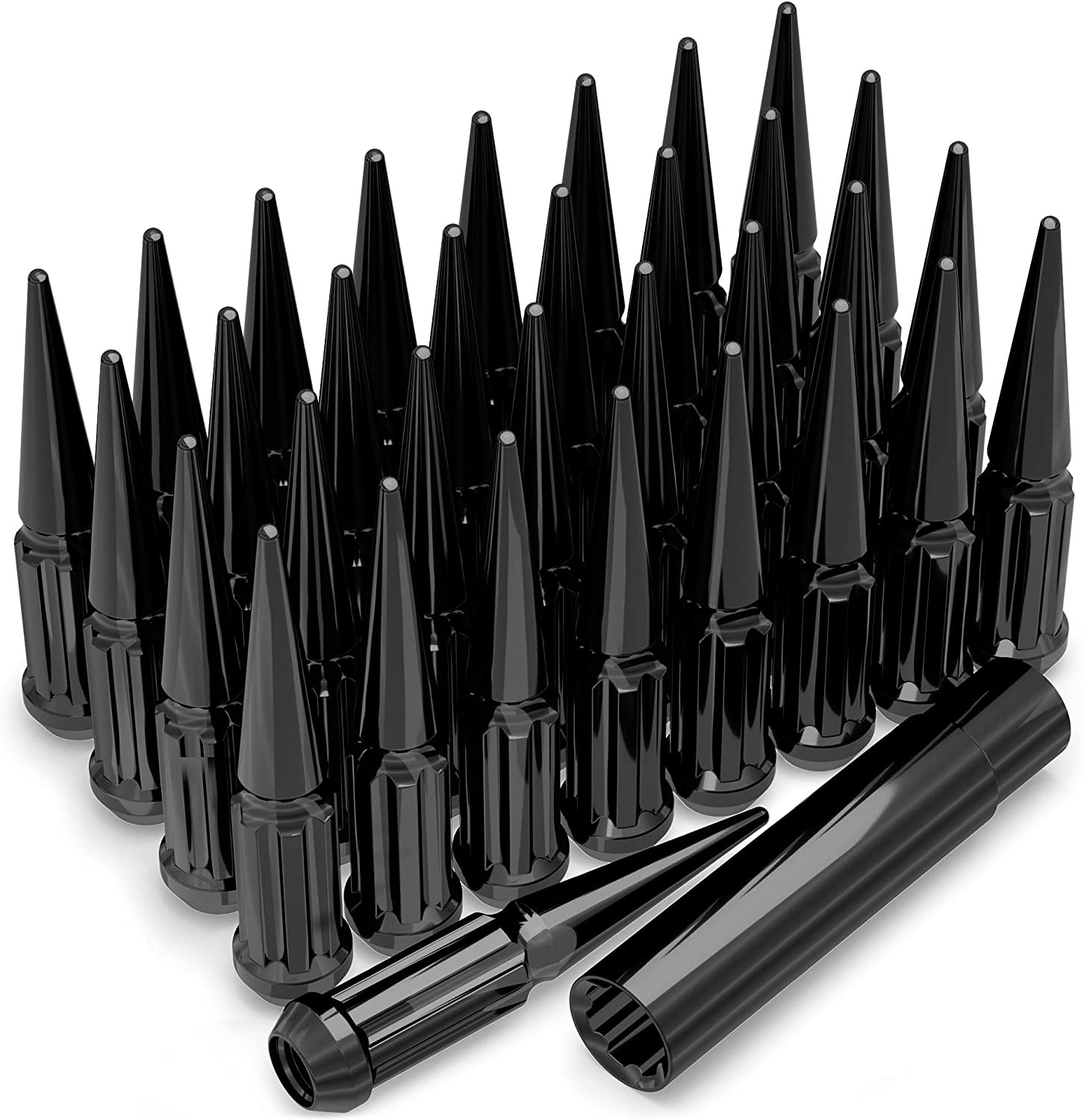
- Verify the lug nut thread is M14 x 2.00 and confirm the wheel manufacturer’s required lug nut seat and hardware style. Thread size alone does not identify the correct lug nut.
- Inspect used wheels for bends, cracks, repaired areas, corrosion around the bead seat, and damaged mounting holes.
- Confirm the final tire diameter is suitable for the vehicle’s electronic systems and drivetrain. If the vehicle has a tire-pressure monitoring system, confirm sensor compatibility and relearn requirements.
- Ask the seller for the wheel’s exact part number, width, offset, center bore, load rating, and application information rather than relying only on a vehicle fitment label.
Plus Sizing And Common Upgrades
Plus sizing changes the wheel diameter while generally using a lower-profile tire to maintain a similar overall tire diameter. The calculator can help compare custom rim and tire dimensions, but it does not replace tire-maker approval or a clearance inspection.
Moving away from the known 18-inch, 8.5-inch-wide, ET44 configuration can affect steering response, ride comfort, wheel-load distribution, tire sidewall protection, and clearance. A wider wheel or tire may move closer to suspension parts on the inside or toward the fender on the outside. A different offset can also change scrub characteristics and bearing loading.
Do not select a replacement tire solely to match the original diameter. Check the tire manufacturer’s approved rim-width range, load index, speed rating, actual measured dimensions, and vehicle application guidance. If a trim-specific or package-specific specification is not available here, verify it using the vehicle’s door-jamb label and OEM documentation.
Installation Tips
- Clean the hub face and wheel mounting surface before installation. Remove rust, dirt, and loose coating without removing material from the hub.
- Install only compatible lug nuts with the correct thread and seat for the wheel. Do not force a mismatched lug nut onto the studs.
- Hand-start every lug nut to reduce the risk of cross-threading.
- Snug the lugs in a star or crisscross pattern, then torque them with a calibrated torque wrench to the specification in the Ford service information or owner’s manual.
- Do not use an impact wrench for final torque unless it is specifically controlled and followed by a torque-wrench check.
- After installation, rotate the steering from lock to lock and inspect clearance. If safe and practical, check clearance again with the suspension loaded and unloaded.
- Check tire pressure using the vehicle’s recommended cold pressure, not a pressure copied from another vehicle or tire.
- Drive slowly at first and listen for rubbing, vibration, or unusual noise. Recheck lug torque after the initial driving period specified by the wheel manufacturer or service information.
Tools And Helpful Supplies
Basic tools can support inspection and installation, but they cannot confirm every aspect of fitment. Use the exact manufacturer specifications for torque, lifting points, and wheel hardware.
FAQs
What is the bolt pattern for the 2016 Ford Expedition?
The known bolt pattern is 6x135. Confirm the exact vehicle and wheel before purchase because a matching pattern alone does not establish complete fitment.
What center bore is listed for this Expedition fitment?
The known center bore is 87.1 mm. A wheel with a smaller center bore will not seat over the hub. A larger bore may require an accurately sized hub-centric solution approved for the application, but the wheel’s other specifications and the manufacturer’s guidance must also be checked.
What wheel size is listed for the 2016 Ford Expedition?
The known rim specification is 18 inches in diameter and 8.5 inches wide, with ET44 offset and 5.98 inches of backspacing. These values may not represent every trim or package, so compare them with the vehicle label and OEM sources.
What tire size is included in the known fitment information?
The known tire size is 275/65R18, with a 275 mm section width, 65 percent aspect ratio, and 18-inch rim diameter. Confirm the tire’s load capacity, approved rim width, and vehicle-specific recommendation before installation.
Can I install wheels from another vehicle on this Expedition?
Possibly, but the donor wheel must be checked for bolt pattern, center bore, diameter, width, offset, backspacing, brake clearance, lug hardware, load rating, and tire compatibility. Use the wheel interchange calculator for an initial comparison, then verify the exact wheel specifications and perform a physical clearance check.
Does a matching 6x135 bolt pattern mean the wheel will fit?
No. The bolt pattern is only one requirement. Center bore, offset, backspacing, brake clearance, lug nut seat, wheel load rating, and tire dimensions can prevent a safe installation even when the bolt pattern matches.
How do I verify an unknown or trim-specific specification?
Check the vehicle identification information, door-jamb tire label, owner’s manual, Ford parts or service documentation, and the markings on the wheel itself. Enter confirmed dimensions into the calculator and ask the wheel and tire manufacturers to approve the final combination when any value remains uncertain.
Will changing the rim diameter change tire diameter in the calculator?
Yes. In this calculator, changing rim diameter updates the tire diameter in the comparison. Recheck the resulting overall diameter, clearance, load capacity, and vehicle-system considerations before buying or installing the combination.