2008 Ford Expedition Wheel Fitment
Known OEM Fitment For 2008 Ford Expedition
The following specifications are the known fitment data provided for the 2008 Ford Expedition. Verify the information against the vehicle identification number, the factory door-jamb label, the owner’s manual, and the markings on the current wheel and tire before purchasing replacement parts.
| Specification |
Known value |
| Bolt pattern |
6x135 |
| Center bore |
87.1 mm |
| Thread size |
M14 x 2.00 |
| Rim diameter |
18 inches |
| Rim width |
8.5 inches |
| Wheel offset |
ET44 mm |
| Backspacing |
5.98 inches |
| Tire section width |
265 mm |
| Tire aspect ratio |
70 percent |
| Tire rim diameter listed in the supplied data |
R17 |
There is an apparent diameter inconsistency in the supplied data: the rim diameter is listed as 18 inches, while the tire rim diameter is listed as R17. These values should not be treated as one confirmed wheel and tire combination. A tire marked R17 fits a 17-inch wheel, not an 18-inch wheel. Confirm the correct original equipment combination from the tire sidewall, door-jamb label, owner’s manual, and Ford parts information before ordering.
The 6x135 bolt pattern means six studs arranged on a 135 mm pitch circle diameter. A replacement wheel must match the bolt pattern, clear the M14 x 2.00 wheel studs and lug hardware, and provide suitable hub clearance for the 87.1 mm center bore. Offset, width, brake clearance, load rating, and tire size also require verification.
How To Use The Wheel Interchange Calculator
Use the calculator to compare a donor vehicle’s wheel with the wheel and tire setup installed on your 2008 Ford Expedition. Enter the donor specifications in the “Wheels from” fields and the Expedition specifications in the “Installed on” fields.
- Start with the bolt pattern, center bore, wheel diameter, wheel width, and offset. These dimensions determine basic mounting and positioning compatibility.
- Use the custom wheel size controls to test different rim diameters, widths, and offsets when the donor wheel does not match the known values.
- Use the custom tire size controls to compare section width and aspect ratio. Check the tire’s rim diameter separately so the tire is matched to the wheel diameter.
- Review the calculator’s diameter and position comparison before buying. A smaller or larger overall tire diameter can affect speedometer accuracy, clearance, gearing, and electronic vehicle systems.
- Changing rim diameter updates the tire diameter in the comparison. Recheck the resulting tire size and all clearance measurements after every change.
The calculator is a screening tool, not a substitute for a physical test fit or manufacturer confirmation. It cannot confirm brake-caliper clearance, suspension clearance under compression, fender clearance during steering, wheel load capacity, or whether a particular tire is approved for the vehicle.
Fitment Checklist Before You Buy
- Confirm the vehicle’s exact trim, drivetrain, and factory tire and wheel package.
- Confirm the 6x135 bolt pattern and measure or verify the 87.1 mm center bore.
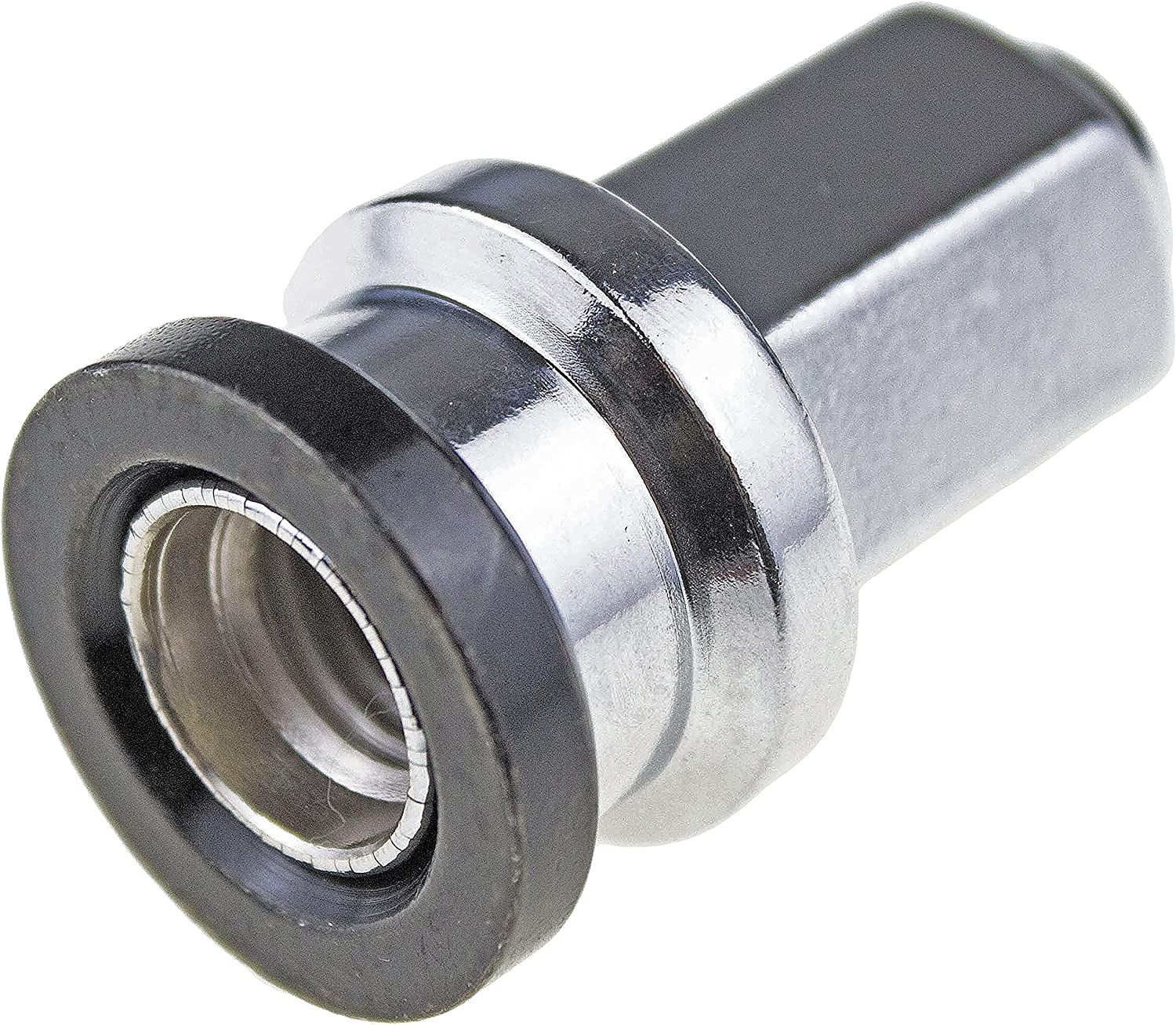
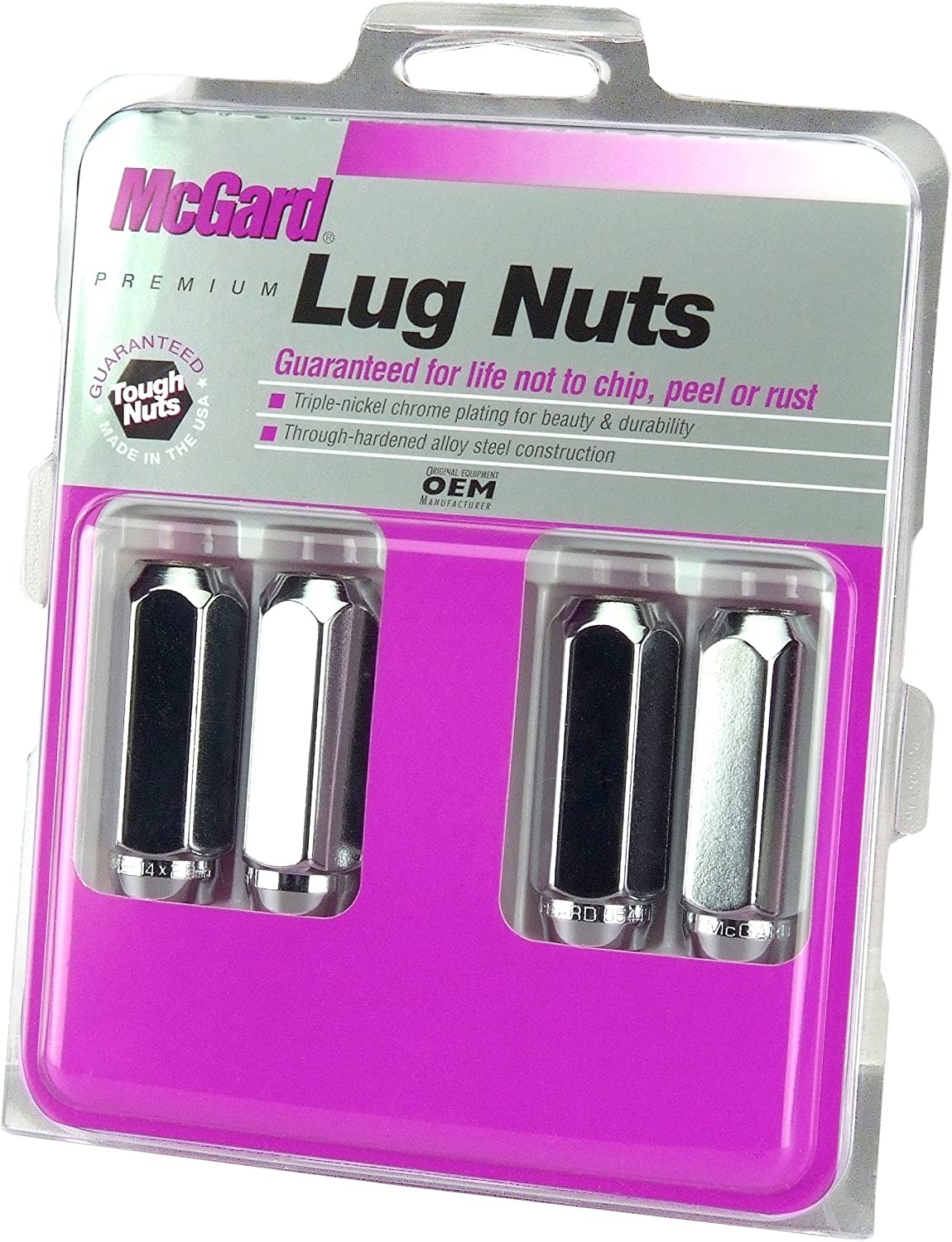
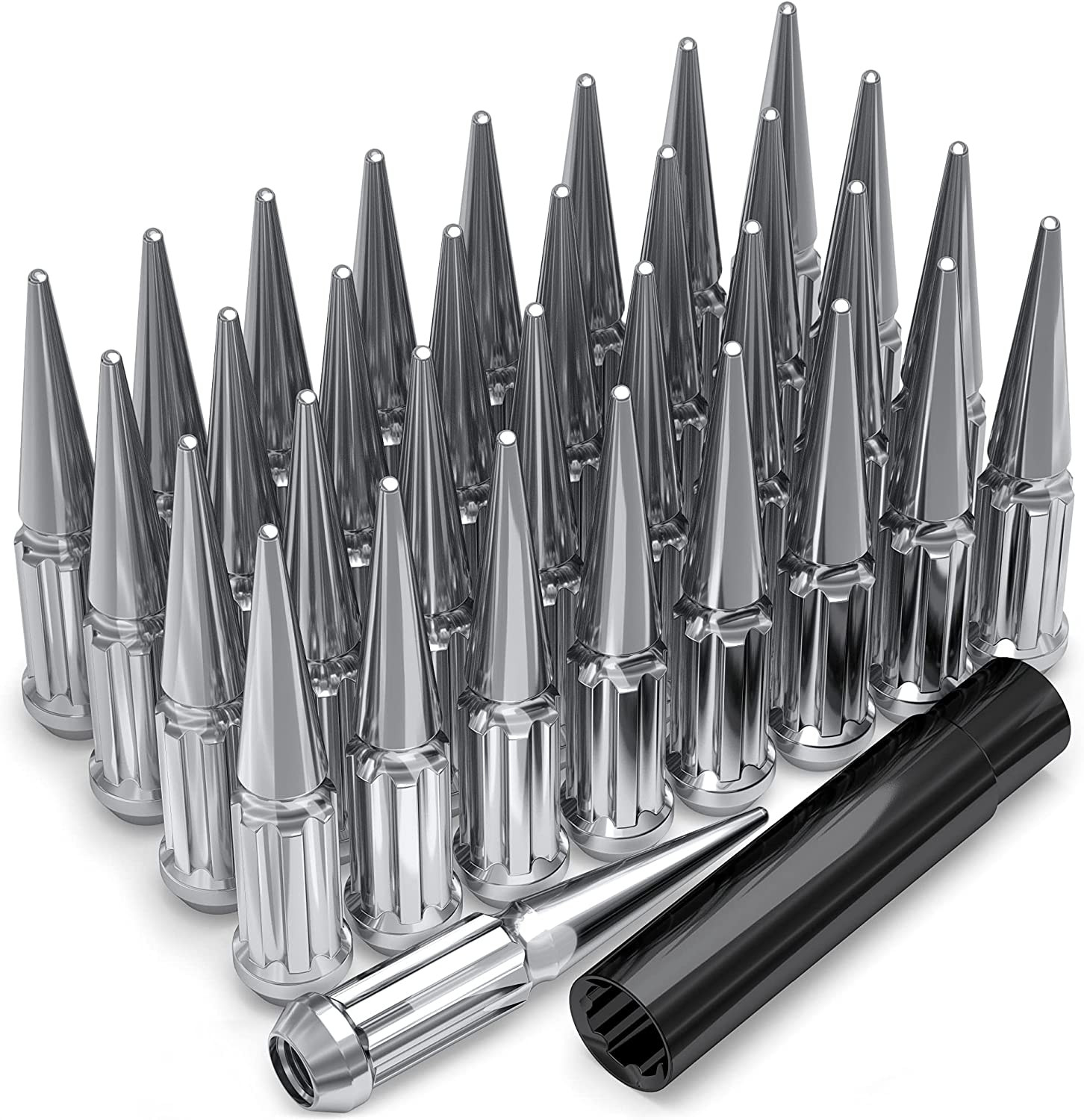
- Check that the wheel accepts the vehicle’s M14 x 2.00 studs and correct lug nuts. Do not assume the donor vehicle’s lug nuts are suitable.
- Compare wheel diameter, width, and offset with the current setup and the calculator results.
- Confirm the tire’s rim diameter matches the wheel. The supplied data contains both 18-inch and R17 entries, so this check is especially important.
- Check the wheel and tire load ratings against the Expedition’s required ratings shown on the vehicle label or in OEM documentation.
- Inspect clearance to brake calipers, struts, control arms, tie rods, sway-bar components, and inner fenders.
- Check clearance with the steering turned fully left and right and with the suspension loaded. Never rely only on clearance while the vehicle is parked on level ground.
- Verify that the tire does not protrude beyond the fender and that the tread remains properly covered where required by local law.
- Confirm that the replacement wheel is approved for the vehicle and has no cracks, bends, corrosion damage, or damaged mounting surfaces.
Plus Sizing And Common Upgrades
Plus sizing generally means using a larger wheel diameter with a lower-profile tire to maintain a similar overall tire diameter. It can change steering response, ride comfort, wheel impact risk, tire cost, and clearance. Do not select a plus-size combination from diameter alone.
For this vehicle, the supplied data does not establish a complete list of factory or aftermarket upgrade sizes. Use the calculator to compare candidate wheel and tire dimensions, then confirm the final combination with a reputable wheel manufacturer, tire manufacturer, Ford documentation, and a physical test fit.
When comparing an upgrade, pay close attention to the difference in wheel width and offset. A wheel that is wider or has a different offset can move inward toward suspension components or outward toward the fender. The calculator can show dimensional changes, but it cannot verify every vehicle-specific clearance point.
Keep the replacement tire’s load index and speed rating appropriate for the Expedition. Recalibrate or verify tire-pressure monitoring equipment as required after changing wheels or tires, and preserve the recommended cold tire pressure unless a qualified tire professional or OEM documentation specifies otherwise.
Installation Tips
- Install wheels on clean, dry hub and wheel mounting surfaces. Remove rust, dirt, and paint buildup without damaging the hub.
- Check that each wheel seats flat against the hub and that no retaining clips, spacers, or debris prevent full contact.
- Use only lug nuts with the correct seat type, thread engagement, and washer or cone design required by the wheel.
- Start every lug nut by hand to avoid cross-threading. Do not use an impact tool to force a damaged or misaligned lug nut.
- Torque the lug nuts in a star or crisscross pattern using the vehicle or wheel manufacturer’s specified torque. The required torque value was not provided here, so confirm it in the owner’s manual or OEM service information.
- After installation, rotate each wheel by hand and check for obvious contact before lowering the vehicle completely.
- Perform a careful steering and suspension clearance check, then road-test at low speed in a safe location.
- Retorque the lug nuts after the first short drive and again according to the wheel manufacturer’s instructions. Recheck tire pressure and inspect for rubbing.
Tools And Helpful Supplies
Useful supplies for a safe wheel-fitment check and installation include a calibrated torque wrench, a suitable socket set, a tire-pressure gauge, a tread-depth gauge, a hub and wheel cleaning brush, and a reliable jack with properly rated jack stands. Use the vehicle’s designated lift points and never work beneath a vehicle supported only by a jack.
- Automotive torque wrench for controlled lug-nut tightening.
- Automotive jack stands for supporting the vehicle during inspection or installation.
- A tire-pressure gauge and tread-depth gauge for checking the installed tires.
- A wire or nylon hub-cleaning brush and suitable wheel-safe cleaner for removing debris from mounting surfaces.
FAQs
What is the bolt pattern for the 2008 Ford Expedition?
The supplied OEM fitment data lists a 6x135 bolt pattern. Confirm this against the vehicle and wheel documentation before purchase.
What is the center bore?
The supplied center-bore specification is 87.1 mm. The replacement wheel must provide adequate hub clearance. A wheel with a larger bore may require an accurately sized hub-centric ring if approved by the wheel manufacturer, while a smaller bore will not fit over the hub.
What wheel offset and width are listed?
The supplied data lists an 8.5-inch rim width and ET44 mm offset, with 5.98 inches of backspacing. These dimensions should be confirmed for the exact trim and wheel package because offset and backspacing directly affect suspension and fender clearance.
Can I use a 17-inch tire on an 18-inch wheel?
No. A tire marked R17 is designed for a 17-inch wheel, while an 18-inch wheel requires a tire marked R18. The supplied data contains both an 18-inch rim diameter and an R17 tire rim diameter, so verify the actual vehicle combination before ordering.
Does matching the 6x135 bolt pattern guarantee that a wheel will fit?
No. Bolt pattern is only one requirement. Center bore, lug hardware, wheel width, offset, brake clearance, load rating, tire dimensions, and clearance through the full steering and suspension travel must also be checked.
Can the wheel interchange calculator confirm a safe installation?
The calculator can compare donor and installed wheel dimensions and can test custom wheel and tire sizes. It is not a substitute for confirming load ratings, brake clearance, physical test fitting, tire manufacturer guidance, or OEM approval.
How do I confirm the correct tire size for my Expedition?
Read the complete tire size on the current tire sidewall and compare it with the factory tire-pressure and loading label, owner’s manual, and OEM service information. If these sources disagree, have a qualified tire professional or Ford dealer verify the correct specification.