2011 Ford Expedition Wheel Interchange And Fitment Guide
This guide summarizes the available OEM wheel fitment information for the 2011 Ford Expedition and explains how to compare donor wheels, custom wheel sizes, and tire sizes. Always verify the vehicle identification number, trim, factory wheel package, and current wheel markings before purchasing or installing parts.
Known OEM Fitment For 2011 Ford Expedition
The following specifications are the known values provided for this vehicle. They may represent only part of the available factory fitment information, so confirm them against the vehicle, the owner’s manual, and Ford service information.
| Specification |
Known value |
| Bolt pattern |
6x135 |
| Center bore |
87.1 mm |
| Thread size |
M14 x 2.00 |
| Rim diameter |
18 inches |
| Rim width |
8.5 inches |
| Wheel offset |
ET44 |
| Backspacing |
5.98 inches |
| Tire section width |
265 mm |
| Tire aspect ratio |
70 percent |
| Tire rim diameter listed |
R17 |
There is an apparent diameter mismatch in the supplied data: the wheel is listed as 18 inches, while the tire rim diameter is listed as R17. A 17-inch tire cannot mount on an 18-inch wheel. Treat these values as needing verification rather than assuming they describe one complete wheel and tire package. Check the tire sidewall, wheel stampings, door-jamb certification label, and Ford documentation. Do not buy a tire until the wheel diameter is confirmed.
How To Use The Wheel Interchange Calculator
Use the calculator to compare Wheels from (donor vehicle) with Installed on (your vehicle). Enter the donor vehicle information when available, then compare its bolt pattern, center bore, wheel diameter, width, and offset with the known 2011 Ford Expedition values above.
The calculator also allows custom wheel and tire entries. Use Custom wheel size to adjust rim diameter, rim width, and offset. Use Custom tire size to adjust section width and aspect ratio. When you change rim diameter, the calculator updates the tire diameter in the comparison, which helps identify changes in overall size and approximate speedometer behavior.
Use the calculator as a comparison aid, not as a substitute for physical inspection. A result that appears compatible still requires confirmation of brake clearance, hub fit, load capacity, tire clearance, lug hardware, and safe operation.
Fitment Checklist Before You Buy
Match the donor wheel’s 6x135 bolt pattern and confirm that the center-bore relationship is correct. A wheel with a smaller center bore will not seat over the hub. A larger center bore may require properly specified hub-centric rings, but rings do not correct an incorrect bolt pattern or offset.
Confirm the wheel diameter, width, and offset from the markings on the wheel or the manufacturer’s technical documentation. Compare the proposed tire’s rim diameter with the actual wheel diameter, especially because the supplied data contains an 18-inch wheel and an R17 tire listing.
Check the wheel and tire load ratings against the requirements shown on the vehicle certification label and in Ford documentation. Inspect for contact with the brake caliper, suspension, steering components, inner fender, and outer fender through the complete steering and suspension range.
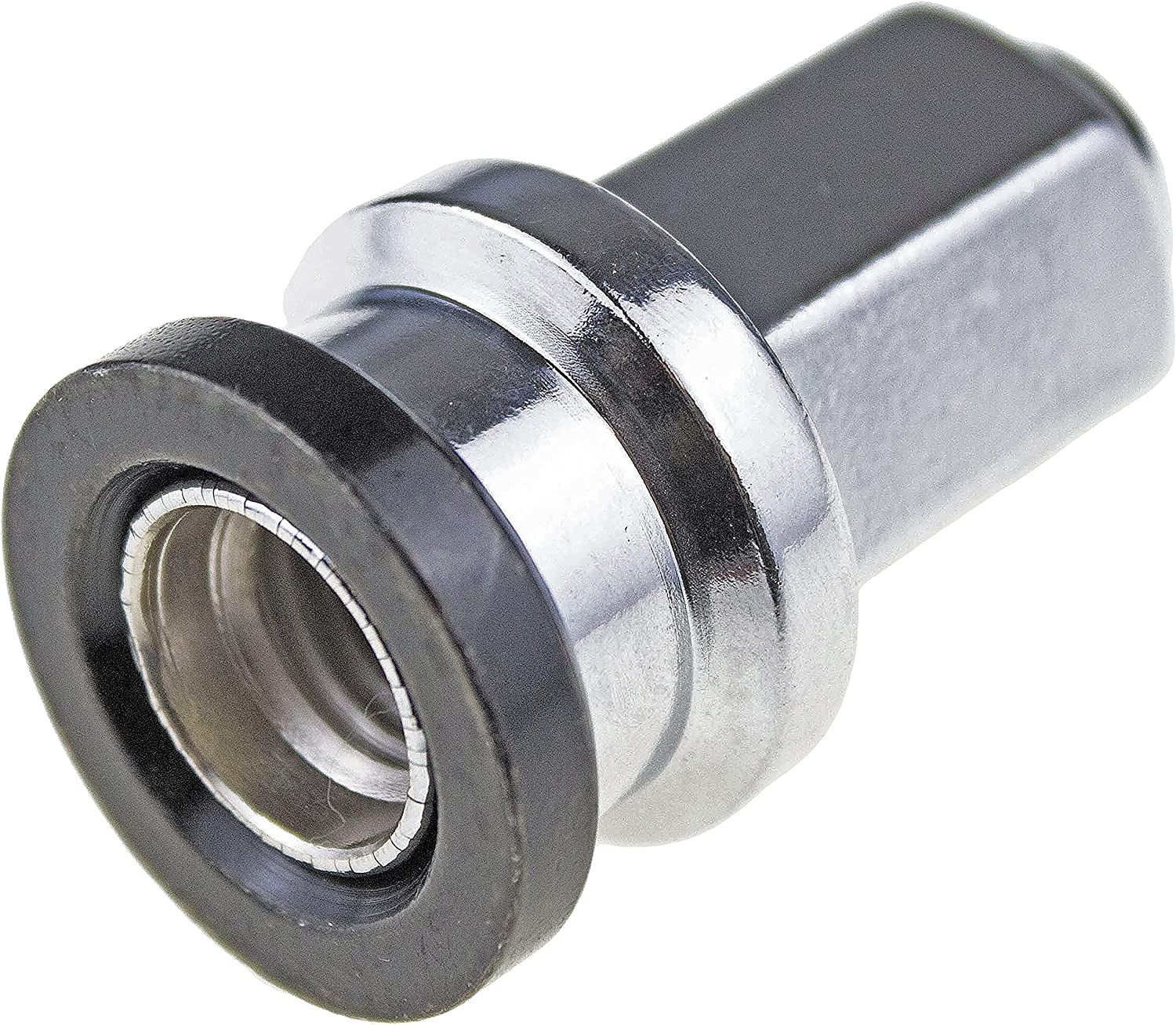
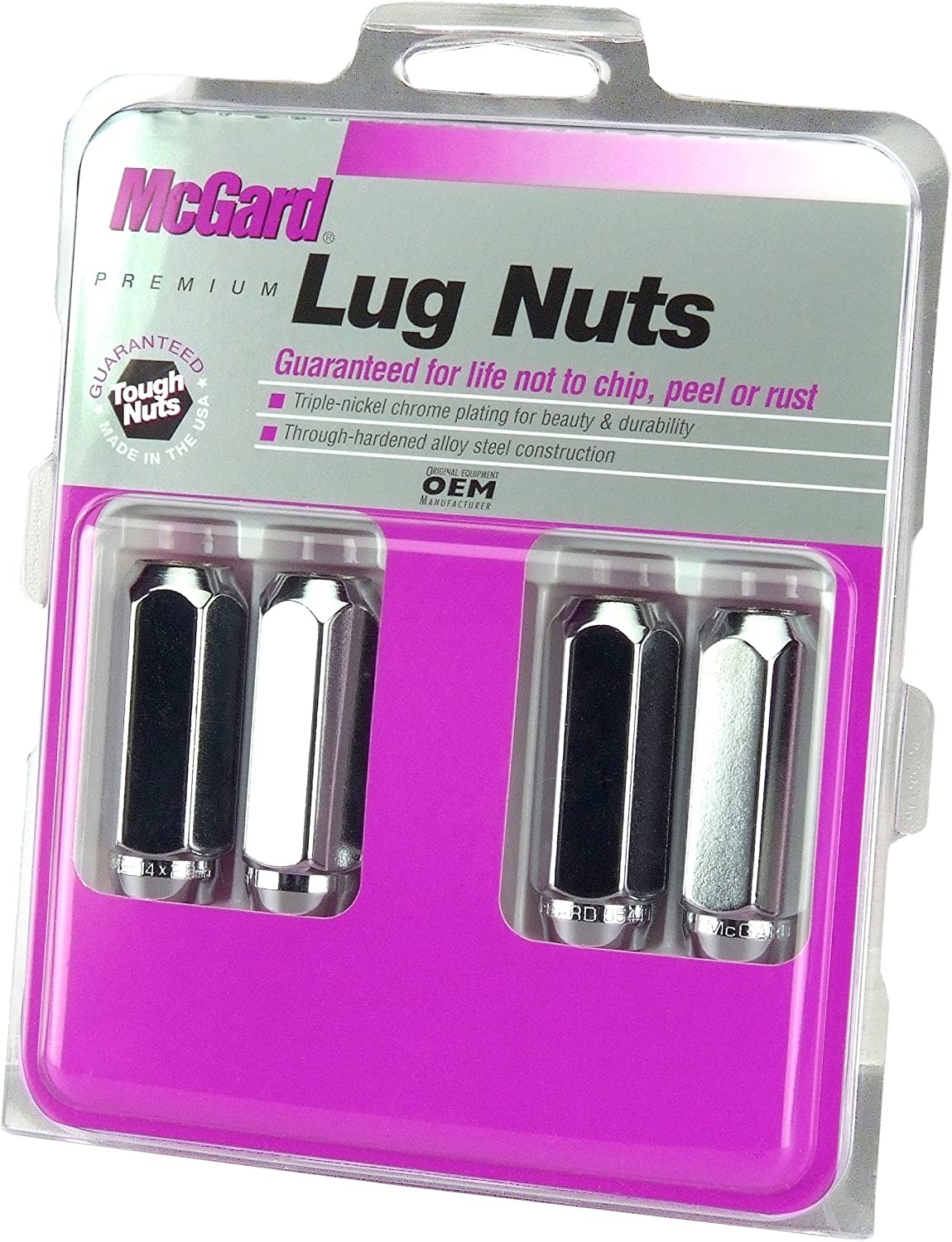
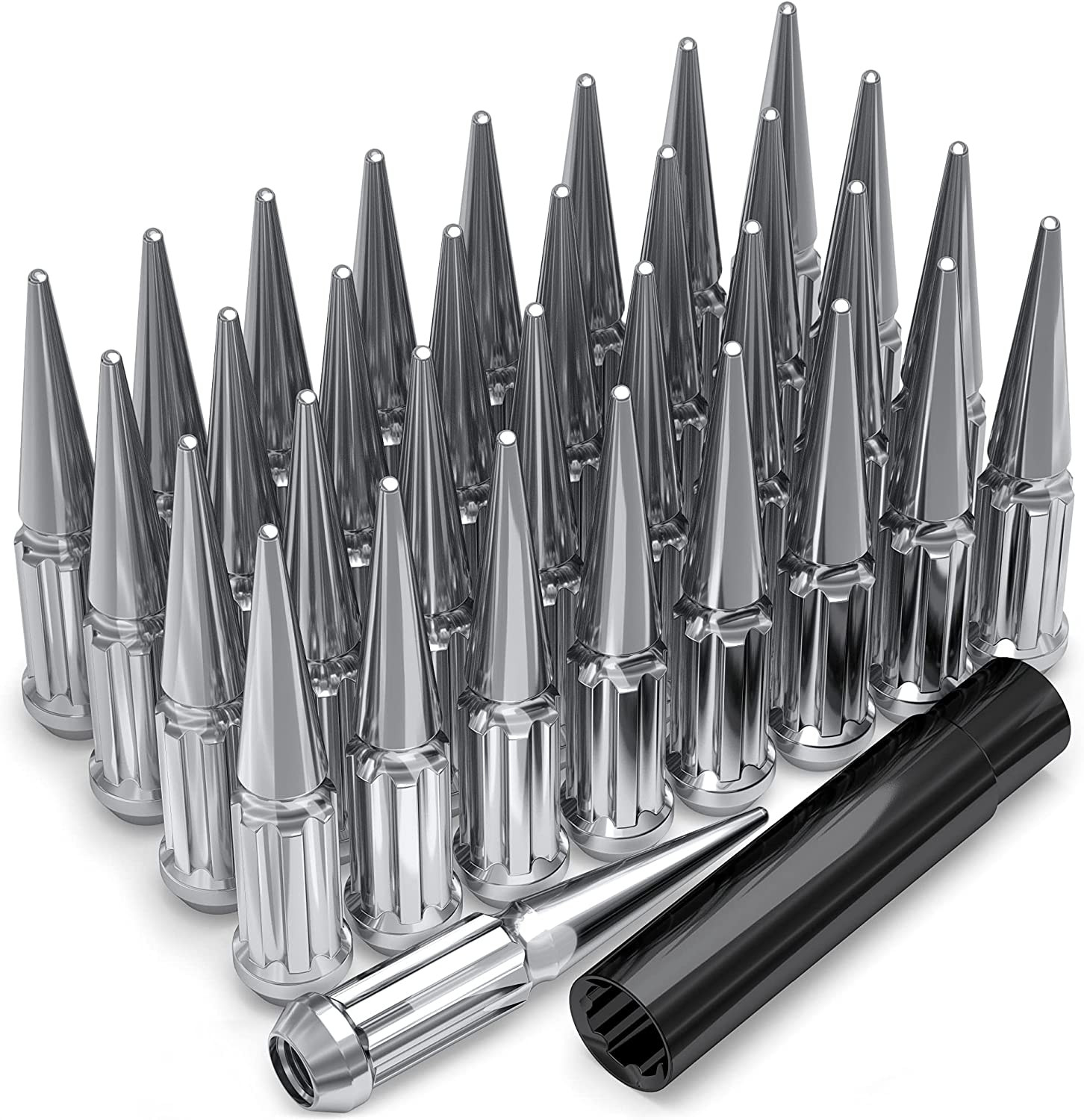
Verify that the lug nuts match the wheel’s seat type and the M14 x 2.00 vehicle thread specification. Do not assume that the thread size alone identifies the correct lug nut.
Plus Sizing And Common Upgrades
Plus sizing changes wheel diameter while maintaining a similar overall tire diameter by using a lower aspect ratio. It can affect ride comfort, impact resistance, steering feel, clearance, tire cost, and speedometer accuracy. The calculator can help compare custom rim diameter, width, offset, section width, and aspect ratio, but it does not replace manufacturer load, clearance, and installation checks.
For any proposed upgrade, compare the calculated tire diameter with the original specification confirmed from the vehicle. Also verify the tire’s approved rim-width range, load index, speed rating, fender clearance, and spare-tire compatibility. The supplied R17 tire value should not be treated as an upgrade recommendation because it conflicts with the supplied 18-inch rim value.
Installation Tips
Before installation, clean the hub and wheel mounting surfaces. Make sure the wheel sits fully flush against the hub and that no corrosion, dirt, spacers, or damaged hardware prevents proper seating.
Install the correct lug nuts by hand first to avoid cross-threading. Tighten them in a star pattern with the vehicle supported safely, then use the manufacturer-specified torque procedure for the exact vehicle and wheel hardware. The required torque value is not provided here, so confirm it in Ford service information or the owner’s manual rather than guessing.
After installation, check clearance at full left and right steering lock and through normal suspension movement. Recheck lug torque after the first short drive and inspect for rubbing, vibration, or loss of tire pressure. Stop driving if the wheel contacts any component or if the vehicle develops abnormal handling.
Tools And Helpful Supplies
Useful equipment includes a calibrated torque wrench, compatible socket, jack and properly rated jack stands, wheel chocks, a tire-pressure gauge, and a tread or clearance measuring tool. A wheel-fitment measurement kit can help document offset and backspacing, but measurements should be checked against manufacturer specifications.
For general maintenance, a torque wrench for automotive work and a digital tire pressure gauge can help support safe installation and follow-up checks. Use tools according to their instructions and never work beneath a vehicle supported only by a jack.
FAQs
Can a 6x135 wheel fit the 2011 Ford Expedition?
The known bolt pattern is 6x135, so a donor wheel must match that pattern. Bolt pattern alone does not prove complete compatibility. Confirm center bore, offset, width, brake clearance, load rating, and lug hardware before installation.
What is the center bore for this Expedition fitment?
The supplied center-bore value is 87.1 mm. Confirm the donor wheel’s center bore from its manufacturer documentation or wheel markings. A smaller bore will not fit over the hub.
What thread size is listed?
The supplied thread size is M14 x 2.00. The correct lug nut still depends on the wheel’s seat design and the vehicle’s approved hardware. Match the complete hardware specification, not only the thread.
Is the listed tire size compatible with the listed wheel?
It cannot be confirmed as a complete package because the supplied data lists an 18-inch rim but an R17 tire rim diameter. An R17 tire belongs on a 17-inch wheel, not an 18-inch wheel. Verify the actual wheel diameter and tire sidewall before purchasing.
Does changing wheel offset change fitment?
Yes. Offset changes the wheel’s position relative to the hub, suspension, and fender. Use the calculator to compare custom offset values, then physically verify inner and outer clearance and confirm that the wheel remains suitable for the vehicle’s load and brake requirements.
Can I use wheels with a larger center bore?
A larger center bore may be usable with correctly specified hub-centric rings, depending on the wheel and application. The rings must fit accurately and do not correct a wrong bolt pattern, unsafe offset, inadequate load rating, or insufficient brake clearance.
Where should I confirm the final factory specification?
Check the vehicle certification label, tire and wheel markings, owner’s manual, Ford service information, and the wheel manufacturer’s specifications. If those sources conflict, have a qualified tire or wheel professional inspect the vehicle before installation.