2015 Dodge Charger Wheel Interchange Guide
Use this page to compare wheel and tire dimensions for a 2015 Dodge Charger. The calculator helps compare wheels from a donor vehicle with wheels installed on your vehicle, but a numerical match is not a substitute for physical clearance checks, load-rating verification, or confirmation with Dodge OEM service information.
Known OEM Fitment For 2015 Dodge Charger
The following specifications are the known values supplied for this page. Fitment can vary by trim, brake package, drivetrain, market, and factory wheel option, so confirm the exact specification for your vehicle using the door-jamb label, the owner’s manual, the factory service information, or a Dodge dealer.
| Specification |
Known value |
| Bolt pattern |
5x115 |
| Center bore |
71.6 mm |
| Thread size |
M14 x 1.5 |
| Rim diameter |
18 inches |
| Rim width |
7.5 inches |
| Wheel offset |
ET24 |
| Backspacing |
4.69 inches |
| Tire section width |
245 mm |
| Tire aspect ratio |
45 percent |
| Tire rim diameter supplied |
20 inches, shown as R20 when combined with the supplied tire dimensions |
There is an apparent diameter difference in the supplied data: the listed wheel is 18 inches, while the listed tire rim diameter is 20 inches. These values should not be treated as one complete wheel-and-tire package without verification. A tire marked 245/45R20 requires a 20-inch wheel, not an 18-inch wheel. Confirm whether the 18-inch wheel specification and the 245/45R20 tire specification refer to different factory options or records.
How To Use The Wheel Interchange Calculator
Start with the vehicle you want to use as the donor in the “Wheels from” field. Enter the 2015 Dodge Charger as the vehicle in the “Installed on” field. The comparison should include the bolt pattern, center bore, wheel diameter, wheel width, and offset where those values are available.
Use the custom wheel size controls when the donor wheel is not listed or when you want to test a proposed diameter, width, or offset. Use the custom tire size controls to enter the tire section width and aspect ratio. The calculator updates tire diameter when you change rim diameter, so review the complete wheel-and-tire result rather than checking wheel diameter alone.
A calculator result is a screening tool. It cannot confirm brake-caliper clearance, spoke clearance, suspension clearance, fender clearance, hub or stud engagement, tire load rating, or whether a tire is approved for a particular wheel width. Measure and verify those items before purchase or installation.
Fitment Checklist Before You Buy
- Confirm the wheel uses the 5x115 bolt pattern. Do not assume that a similar-looking five-lug wheel will fit.
- Compare the wheel center bore with the vehicle hub. A larger bore may require correctly sized hub-centric rings, while a smaller bore will not fit over the hub.
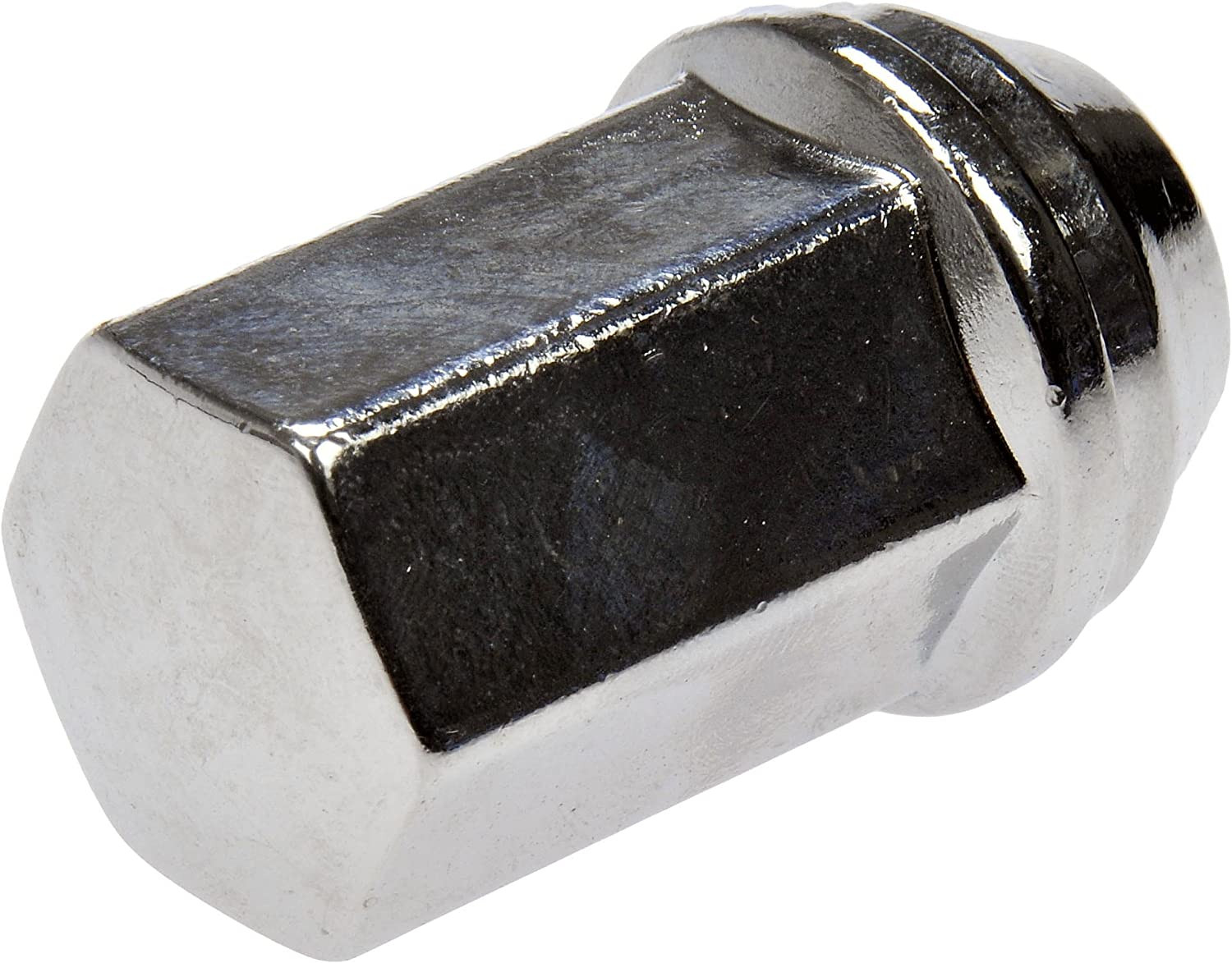
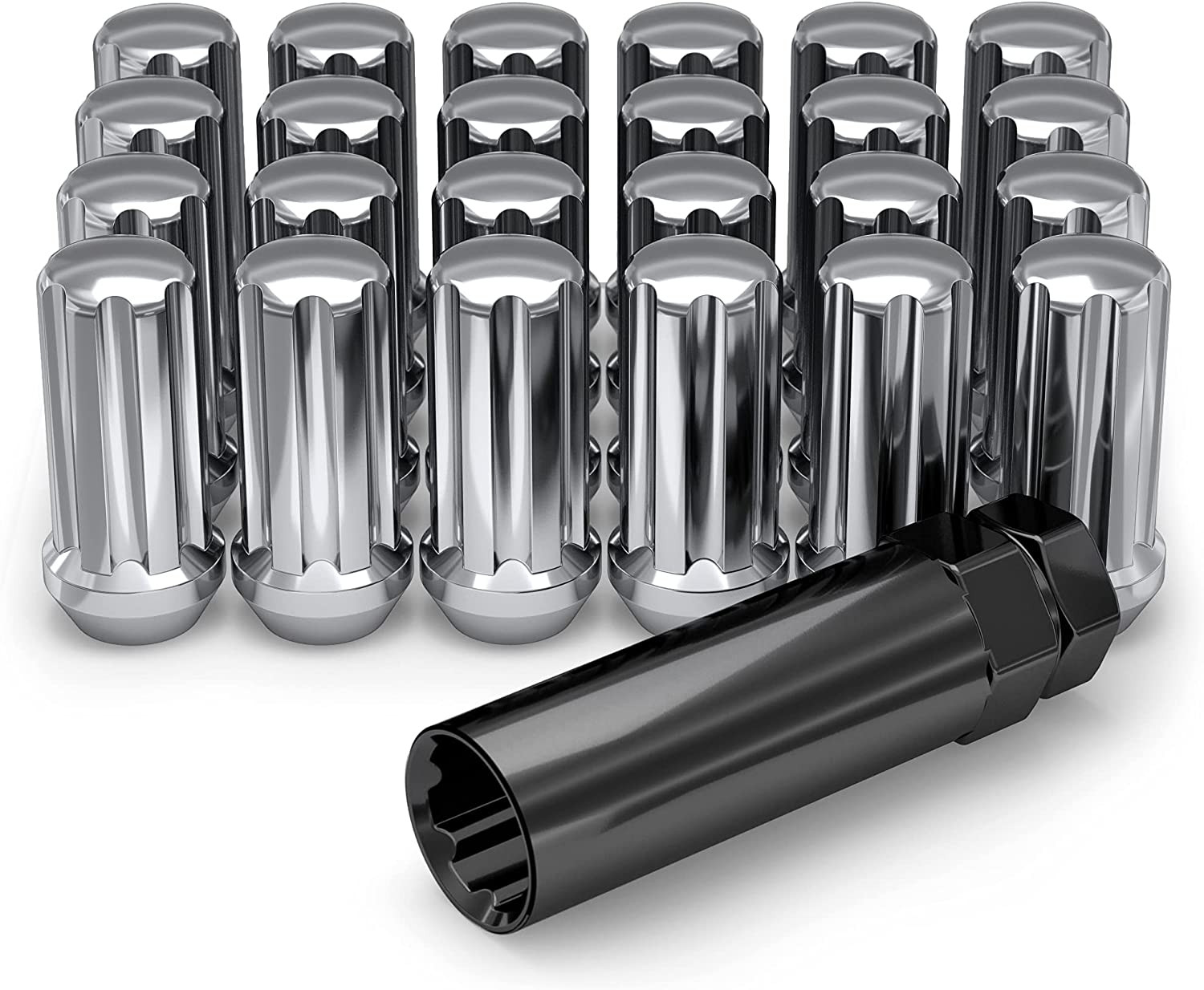
- Confirm the wheel accepts the M14 x 1.5 wheel hardware and that the seat type matches the wheel. Do not assume the original hardware is suitable for an aftermarket wheel.
- Compare wheel width and offset with the known 7.5-inch and ET24 values. Offset changes can affect inner suspension clearance, outer fender clearance, steering behavior, and scrub radius.
- Check the wheel’s load rating against the vehicle manufacturer’s requirements. The supplied fitment data does not include a wheel load rating.
- Confirm the tire size, load index, speed rating, and approved rim-width range from the tire manufacturer. The supplied 245/45R20 tire information must be verified separately from the listed 18-inch wheel.
- Inspect brake clearance with a physical test fit when possible. Spoke shape can cause interference even when diameter, width, offset, and bolt pattern appear correct.
- After installation, check for rubbing at full steering lock and through suspension travel. Also verify that the tire does not contact the strut, spring, liner, control arm, or fender.
Plus Sizing And Common Upgrades
Plus sizing changes wheel diameter while selecting a tire with a lower aspect ratio to maintain a similar overall tire diameter. It can change ride comfort, road-noise levels, steering response, wheel damage risk, and replacement cost.
Use the calculator to compare the proposed wheel diameter, wheel width, and offset, then enter the proposed tire section width and aspect ratio. Because the calculator updates tire diameter when rim diameter changes, review diameter and clearance together. Do not select a tire solely because its section width is similar to the original.
For this vehicle, the supplied records include both an 18-inch wheel entry and a 20-inch tire-rim-diameter entry. Treat them as separate fitment data until an OEM source confirms the correct factory package for the specific trim. Do not infer an unprovided compatible-vehicle list or assume that every 2015 Dodge Charger trim uses the same wheel and tire combination.
Installation Tips
- Clean the hub mounting face and the wheel mounting face before installation. Rust or debris can prevent the wheel from seating correctly.
- Install the wheel hardware by hand for several turns before using a tool. Stop if the threads bind or the hardware does not seat correctly.
- Use the wheel manufacturer’s specified hardware seat type and the vehicle or wheel manufacturer’s torque specification. The supplied data identifies the thread size as M14 x 1.5 but does not provide a torque value.
- Tighten in a star or crisscross pattern with the vehicle supported safely. Do not rely on an impact tool for final torque.
- Verify tire pressure using the vehicle’s recommended cold pressure, normally found on the driver’s door-jamb label or in the owner’s manual.
- Recheck wheel hardware torque after the manufacturer-recommended break-in distance or after the first several driving sessions.
- Stop driving and investigate any vibration, rubbing, pulling, clicking, or loss of pressure after installation.
Tools And Helpful Supplies
A calibrated torque wrench, suitable socket, jack, jack stands, wheel chocks, and a tire-pressure gauge are useful for a careful wheel installation. A hub-measuring tool or accurate caliper can help verify center-bore dimensions, but measurements should be compared with OEM and wheel-manufacturer information.
Never work beneath a vehicle supported only by a jack. Use jack stands placed at approved support points and follow the vehicle owner’s manual.
FAQs
What is the bolt pattern for the 2015 Dodge Charger?
The supplied OEM fitment value is 5x115. Confirm the value for the specific trim and wheel package before buying replacement wheels.
What is the center bore?
The supplied center-bore value is 71.6 mm. A replacement wheel with a smaller center bore will not fit over the hub. A larger bore may require properly sized hub-centric rings if recommended by the wheel manufacturer.
What thread size is listed for the wheel hardware?
The supplied thread size is M14 x 1.5. Thread size alone does not confirm hardware compatibility. The seat type, shank length where applicable, and manufacturer torque requirement must also match.
Can an 18-inch wheel use a 245/45R20 tire?
No. A tire marked 245/45R20 is designed for a 20-inch rim. The supplied data lists an 18-inch wheel and a 20-inch tire rim diameter, so the records should be verified as separate options or corrected before purchase.
Does matching the 5x115 bolt pattern guarantee that a wheel fits?
No. Center bore, offset, wheel width, brake clearance, hardware seat, load rating, and tire clearance also matter. Use the calculator for comparison, then perform physical and manufacturer-source checks.
What wheel size is listed in the supplied fitment data?
The supplied wheel entry is 18 inches in diameter and 7.5 inches wide with ET24 offset and 4.69-inch backspacing. Because a separate 20-inch tire rim diameter is also supplied, confirm the exact OEM package for the vehicle before treating these values as one setup.
Where can I confirm the correct specification?
Check the driver’s door-jamb label, owner’s manual, factory service information, OEM parts documentation, and a Dodge dealer. Compare those sources with the wheel markings and tire sidewall, then use the calculator to evaluate any donor or custom setup.