2017 Dodge Charger Wheel Interchange And Fitment Guide
This guide summarizes the known wheel and tire information provided for the 2017 Dodge Charger. Fitment can vary by trim, brake package, wheel design, and market, so confirm the original equipment specifications on the vehicle, wheel markings, owner’s manual, or Dodge service information before purchasing.
Known OEM Fitment For 2017 Dodge Charger
The following specifications are the known values available for this vehicle. They should be treated as a reference, not as confirmation that every 2017 Dodge Charger trim uses the same wheel or tire package.
| Specification |
Known value |
Important note |
| Bolt pattern |
5x115 |
Five studs on a 115 mm pitch circle diameter. |
| Center bore |
71.6 mm |
A wheel with a smaller center bore will not fit over the hub. A larger bore may require properly sized hub-centric rings. |
| Thread size |
M14 x 1.5 |
Thread size does not confirm the correct lug-nut seat, nut shape, or torque specification. |
| Rim diameter |
18 inches |
Confirm clearance to the brake assembly for the specific vehicle and wheel design. |
| Rim width |
7.5 inches |
Confirm the approved tire-width range from the tire manufacturer and vehicle documentation. |
| Wheel offset |
ET24 |
Offset affects inner suspension clearance, outer fender position, and steering geometry. |
| Backspacing |
4.69 inches |
Compare backspacing only when wheel width and measurement methods are understood. |
| Tire section width |
245 mm |
This is the nominal tire section width, not the tread width. |
| Tire aspect ratio |
45% |
The complete tire size also requires a rim diameter. |
| Tire rim diameter |
20 inches |
This conflicts with the separately provided 18-inch rim diameter, so verify the actual wheel and tire package before installation. |
The listed tire dimensions correspond to a tire size format of 245/45R20, while the listed rim diameter is 18 inches. A 20-inch tire cannot be mounted on an 18-inch wheel. Do not use these values to order a tire until the vehicle’s actual tire sidewall and wheel markings have been checked.
How To Use The Wheel Interchange Calculator
Use the on-page calculator to compare a donor vehicle’s wheels with the wheels intended for your 2017 Dodge Charger. Enter the donor information under “Wheels from” and the Charger information under “Installed on.” Compare bolt pattern, center bore, wheel width, diameter, offset, and any available tire dimensions.
Use “Custom wheel size” when you are considering an aftermarket or unlisted wheel. Enter the proposed rim diameter, width, and offset rather than relying on a general vehicle match. Use “Custom tire size” to enter the proposed section width and aspect ratio.
Changing the rim diameter updates the tire diameter in the comparison. Review the resulting diameter and clearance information carefully. A calculator is a screening tool, not a substitute for a physical brake-clearance check, load-rating review, tire approval, or OEM confirmation.
Fitment Checklist Before You Buy
First confirm the actual Charger trim, brake package, current tire size, and wheel markings. Confirm that the replacement wheel uses the 5x115 bolt pattern, clears the 71.6 mm hub, and has an offset and width suitable for the vehicle.
Check the wheel’s load rating and the tire’s load and speed ratings against the vehicle requirements. Verify that the tire diameter is appropriate for the vehicle and that the tire is approved for the selected wheel width. Never mount a tire on a wheel with a different rim diameter.
Inspect the wheel’s center bore, lug-hole design, valve-stem provisions, and lug-nut seat. Confirm that the wheel does not contact brake calipers, suspension components, steering parts, or the inner fender. After installation, check full steering lock and suspension movement without rubbing.
For used wheels, look for cracks, bends, repaired areas, corrosion around the bead seat, and damaged lug holes. Ask the seller for the wheel’s exact diameter, width, offset, center bore, bolt pattern, and load rating rather than relying only on a vehicle description.
Plus Sizing And Common Upgrades
Plus sizing normally changes the wheel diameter while selecting a tire with a lower aspect ratio to keep overall tire diameter reasonably close to the original. The goal is to preserve speedometer behavior, gearing, electronic-system compatibility, and adequate clearance, but the correct target depends on the verified original tire size.
The provided data includes an 18-inch rim value and a 20-inch tire rim-diameter value, so a precise plus-sizing recommendation cannot be made from the supplied information alone. Confirm the tire size printed on the vehicle’s sidewall or door-jamb label before comparing alternatives in the calculator.
Larger wheels and wider tires can increase cost, road harshness, steering effort, susceptibility to impact damage, and the chance of fender or suspension contact. They may also require different lug hardware, tire-pressure monitoring components, or alignment checks. Do not assume that a wheel fits simply because its bolt pattern matches.
Installation Tips
Clean the hub mounting face and wheel mounting surface before installation. Remove rust and debris without removing metal from the hub or wheel. Make sure the wheel sits fully flush and that no spacer, ring, washer, or debris prevents proper seating.
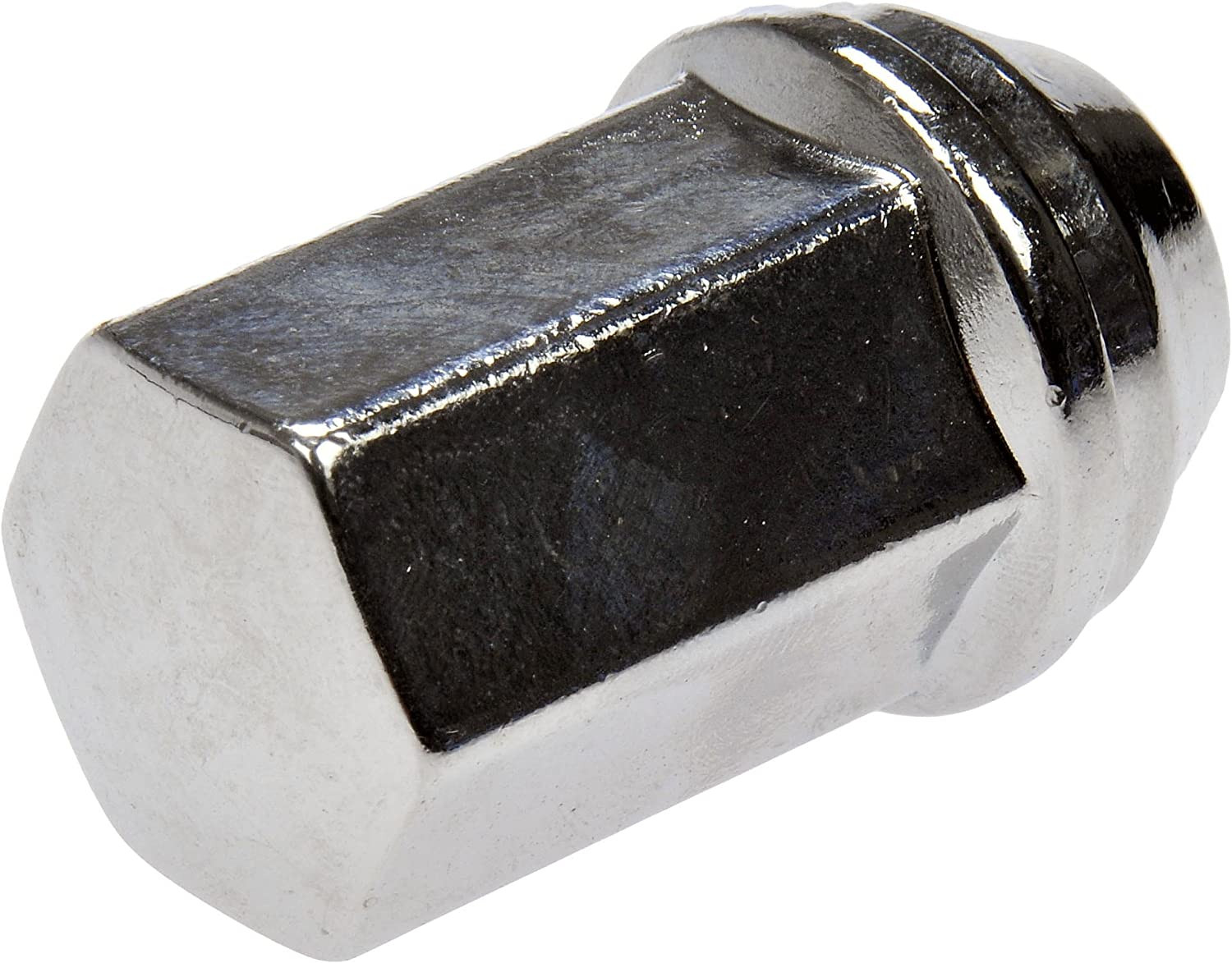
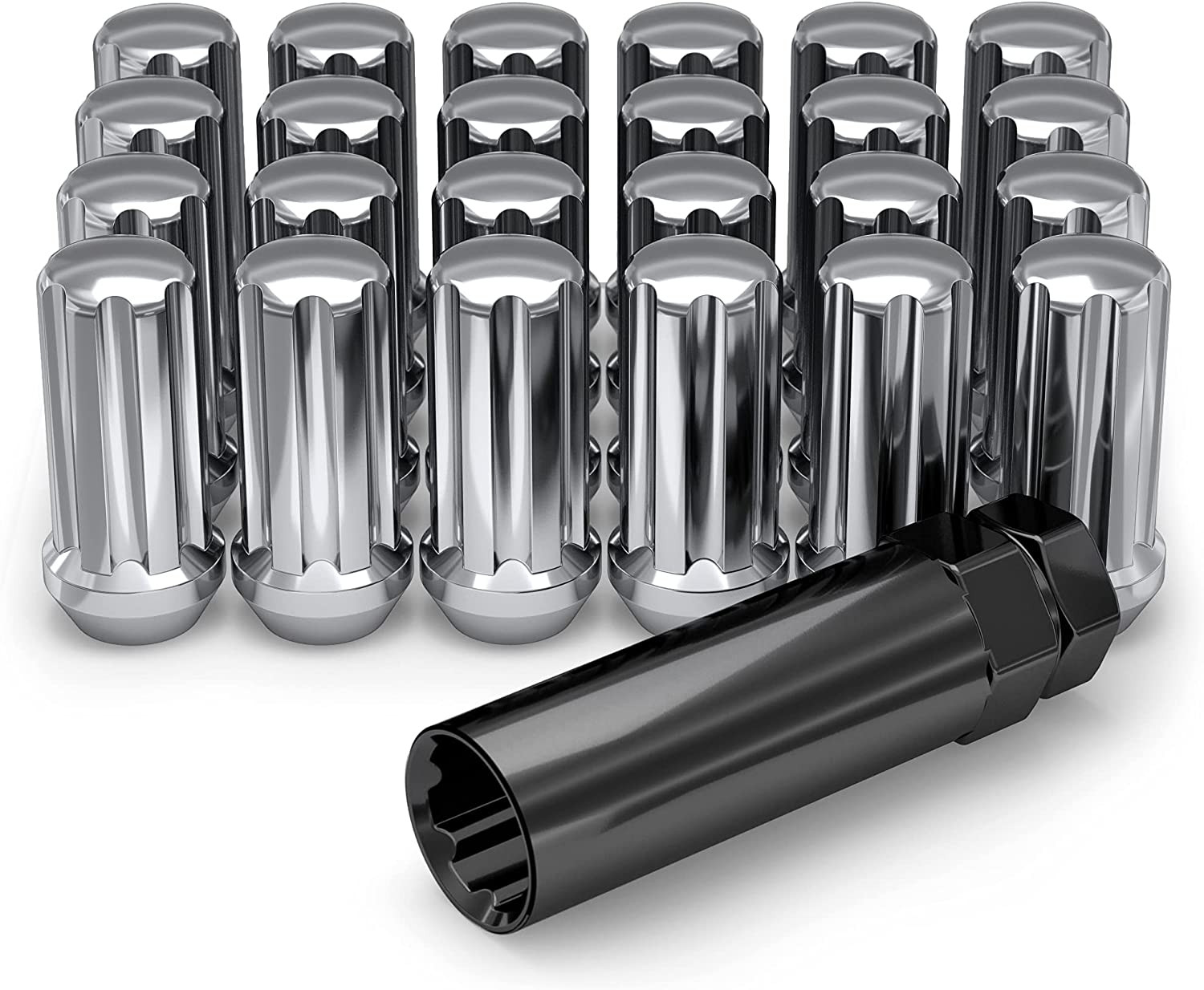
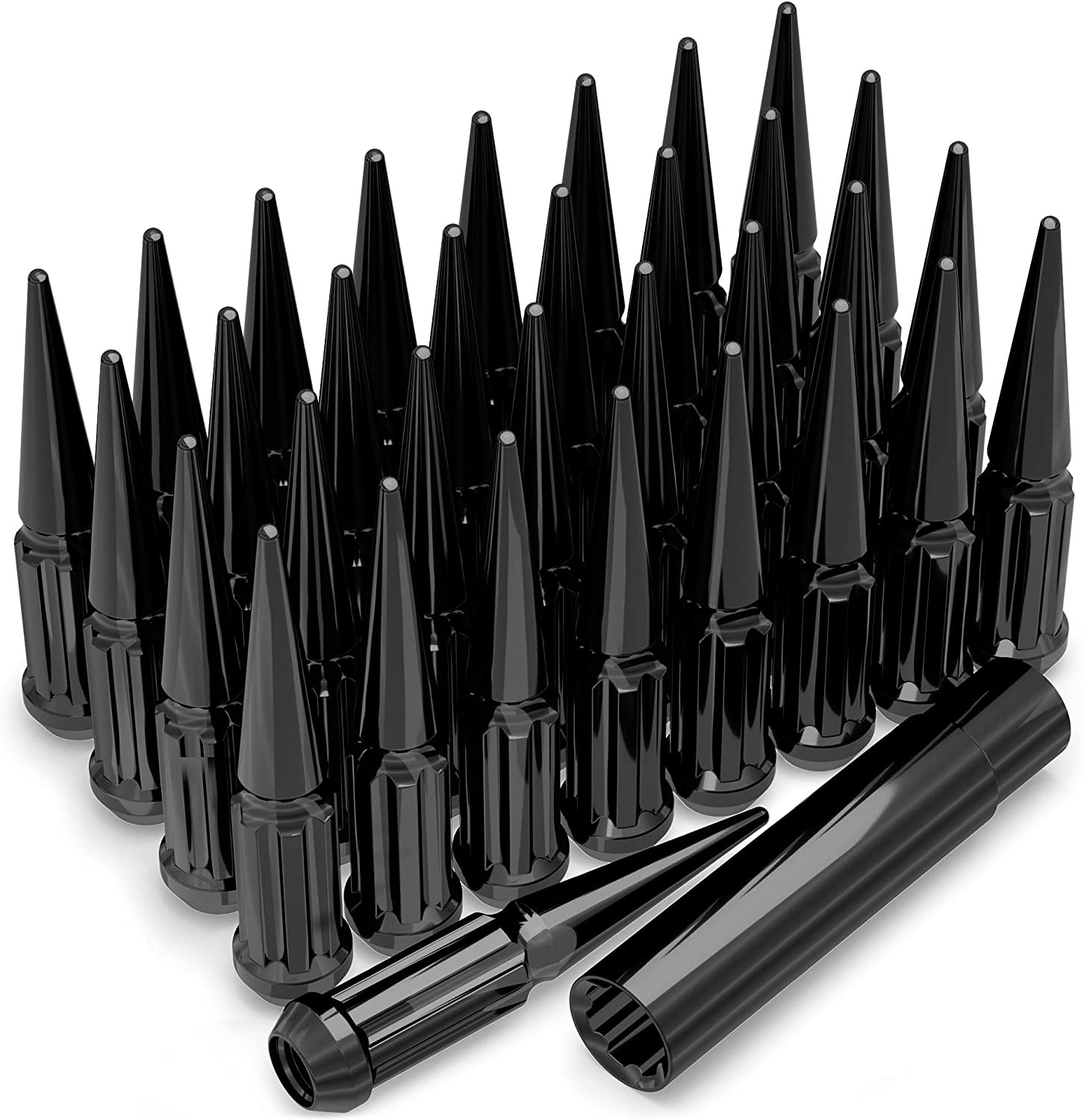
Use only lug nuts with the correct thread and seat for the wheel. The provided thread size is M14 x 1.5, but the correct tightening torque and lug-nut seat must be confirmed from the vehicle and wheel manufacturer. Tighten the nuts in a crisscross pattern with a calibrated torque wrench.
After installation, verify tire pressure, valve-stem or TPMS compatibility, brake clearance, and steering clearance. Recheck lug torque after the vehicle has been driven a short distance according to the wheel or vehicle manufacturer’s instructions. Stop driving if you notice vibration, rubbing, loose hardware, or unusual steering behavior.
Tools And Helpful Supplies
A calibrated torque wrench, suitable socket, jack, jack stands, wheel chocks, and a reliable tire-pressure gauge are useful for safe wheel work. Use jack stands on a solid, level surface and follow the vehicle manufacturer’s approved lifting points.
Depending on the wheel, you may also need correctly sized lug nuts, hub-centric rings for an oversized center bore, a valve stem or compatible TPMS service parts, and a wheel brush. Do not use hub-centric rings to compensate for an incorrect bolt pattern, unsafe offset, insufficient load rating, or inadequate brake clearance.
FAQs
What is the bolt pattern listed for the 2017 Dodge Charger?
The provided bolt pattern is 5x115. Confirm the vehicle and wheel information before purchase because bolt-pattern compatibility alone does not establish complete fitment.
What center bore is listed for this Charger?
The known center bore is 71.6 mm. A smaller wheel bore will not pass over the hub. A larger bore may need properly sized hub-centric rings if the wheel manufacturer permits their use.
Can a 245/45R20 tire be installed on an 18-inch wheel?
No. The “R20” portion indicates a 20-inch rim diameter, so that tire must be mounted on a 20-inch wheel. The supplied 18-inch rim value and 20-inch tire rim diameter should be verified against the actual vehicle before ordering.
Is every 5x115 wheel automatically compatible?
No. You must also check center bore, wheel width, offset, load rating, brake clearance, lug-nut seat, and tire compatibility. Physical inspection is required when fitment is close or the wheel is aftermarket.
What thread size is listed for the wheel hardware?
The provided thread size is M14 x 1.5. Confirm the required lug-nut seat and tightening torque from the wheel and vehicle documentation before installing replacement hardware.
Can the calculator confirm that a wheel is safe?
The calculator can compare donor and installed dimensions and can show how custom wheel and tire changes affect the comparison. It cannot replace OEM documentation, load-rating checks, tire-manufacturer requirements, or a physical brake and fender clearance inspection.
Where can I confirm the original tire size?
Check the tire sidewall, the driver-door or door-jamb label, the owner’s manual, and Dodge service information. If these sources disagree with the provided data, use the verified vehicle-specific information and consult a qualified tire or wheel professional.